| Detail | What is verified | Planning use |
|---|---|---|
| Elko gathering history | Held since 1985; Congress designated it the National Cowboy Poetry Gathering in 2000 | Treat it as the best-known benchmark for a Western festival, then confirm any participation formats on its own pages. |
| Event length | Grew into a week-long event that draws participants from around the country | Plan travel and lodging around a full week, not a single evening. |
| Elevation and weather | 5,060 feet; winter weather varies; check weather and road conditions before travelling | Build a buffer into travel dates if your performance slot is fixed. |
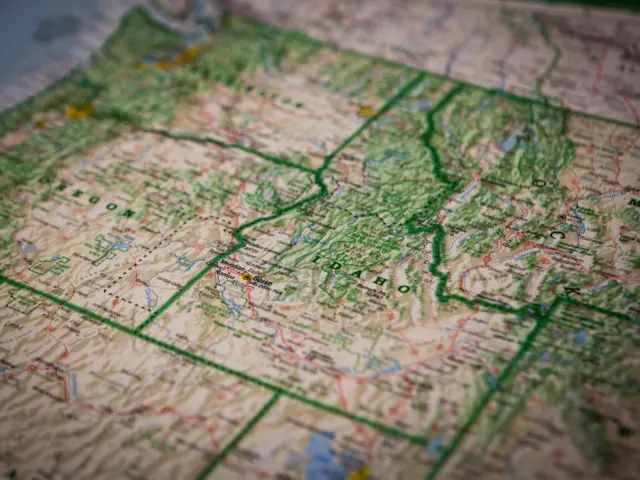
| Getting there | Elko is on Interstate 80 between Salt Lake City and Reno; SkyWest offers connecting flights from Salt Lake City (SLC) to Elko (EKO) | Choose driving or flying early, because the air route runs through a connection. |
| Venue shuttle | Free shuttle runs Wednesday through Saturday; vans have no wheelchair lifts | Plan venue-to-venue moves around those days, and arrange separate transport if you need a lift. |
| Food vendors | Thursday to Saturday; generally open between 9 and 10am and close between 5 and 6pm | Eat around your rehearsal and performance times, not after them. |
These figures come from the Library of Congress cowboy poetry guide and the National Cowboy Poetry Gathering trip-planning page.
A cowboy poetry contest rewards preparation: pick the right category, read the organizer’s rules closely, rehearse the piece aloud, and sort out travel early. Each event sets its own terms, so the rules page always outranks general advice.
This guide follows an entry from first search to results. For the wider picture of events where contests and readings happen, see our overview of cowboy poetry gatherings. Workshops and lineups are covered elsewhere, so the focus here is the competitor’s side.
Finding contests and competitions
Start with the organizers of gatherings and Western festivals, because the people running an event publish its rules, categories and entry method. A western poetry competition is only as clear as its rules page, so go to the source rather than relying on a repost.
The Western Folklife Center is a useful example of an organizer to watch. It describes its work as celebrating and amplifying the voices, traditions and stories of the American West through poetry, music, craft and conversation, and it is tied to the Elko gathering through its official site. Smaller regional events will have their own organizers, so widen the search after you have checked the big names.
- Check the organizer’s site first. Look for a rules or participation page on the website of any gathering or festival you are considering.
- Add secondary listings. State arts council listings, Western heritage organization sites and regional news coverage can point you to events you would not otherwise hear about. Treat them as pointers and confirm details with the organizer.
- Record the essentials. For each contest, note the categories, who may enter, any length limit, the deadline, any fee and how entries are submitted.
- Keep a calendar. Put deadlines and event dates in one place so a missed submission window does not end your season before it starts.
Choosing between written and recitation categories
Check each rules page for whether the event offers written categories, recitation categories or both. The question matters because the two ask for different strengths, and a poem that reads well on paper may not carry aloud.
The Library of Congress notes that cowboy poetry was shaped by Victorian popular culture and its fondness for schoolhouse and parlor recitations, and that it dates back to the long-distance cattle drives. That heritage is why spoken delivery sits so close to the tradition. In any spoken category, expect your voice, pacing and memory to matter as much as your rhymes. Details are in the Library of Congress cowboy poetry guide.
- Written entries suit poets who revise slowly and want the text judged on the page, without nerves or stage time in the way.
- Recitation entries suit poets who already perform, memorize easily and enjoy a live audience.
- Both categories suit anyone with a strong poem and time to prepare it twice, once for the page and once for the stage. Confirm that the rules allow the same piece in more than one category before you enter it.
Preparing your piece
Prepare for the specific contest, not for contests in general. Your target is the rules page: its length limit, any stated theme or style and any published judging criteria. Build your revision around those.

- Fit the limit. Cut to the stated length before you rehearse, so you are never memorizing lines you will drop later.
- Read it aloud. Trouble spots such as clumsy rhymes, breathless lines and unclear images show up in your mouth before they show up on the page.
- Memorize for recitation. If the category is spoken, learn the poem well enough to focus on delivery rather than recall.
- Time a full run. Rehearse standing up, at performance pace, with the opening and closing lines treated as the moments judges and listeners will remember.
- Get an outside ear. A listener who has not seen the text will tell you what is unclear. A structured cowboy poetry workshop is another way to get feedback before you submit.
Tradition is a good guide to your material. The form grew out of life on the long cattle drives, so work that sounds true to its subject usually serves you better than work that imitates the style without the substance.
Entering and booking travel
Submit well before the deadline and keep proof that you did. Follow the organizer’s method exactly, whether that is an online form, an email or a mailed packet, because an entry that breaks the instructions can be set aside regardless of quality.
- Read the eligibility lines. Confirm that you and the piece qualify before you pay any fee or spend time polishing.
- Match your submission to the instructions. Use the stated format, title and file or paper requirements.
- Save your confirmation. Keep a copy of what you sent and any reply.
- Decide on travel only after you know your slot. If the event does not need you present, you can wait. If it does, book as soon as dates are firm.
Travel to Elko
If you aim for the Elko gathering, the logistics deserve real attention. Elko sits on Interstate 80 between Salt Lake City and Reno, and SkyWest, a Delta affiliate, offers connecting flights from Salt Lake City to Elko. The gathering’s own trip-planning page also warns that winter weather varies at Elko’s elevation and tells visitors to check weather and road conditions before travelling.
A free Western Folklife Center shuttle links the venues from Wednesday through Saturday, but its vans do not have wheelchair lifts, so anyone who needs one should arrange transport separately. Food vendors operate from Thursday to Saturday on general hours, so schedule your meals around rehearsal and stage time. All Saloon proceeds support the Western Folklife Center, a reasonable thing to know when you choose where to spend an evening.
Contest day
Treat contest day as a performance day, not a writing day. The poem is finished. Your job is to arrive calm, find your place in the order and deliver it cleanly.
- Arrive with margin. Allow time to check in, find the room and settle before you are called.
- Test your voice and the microphone. If there is a sound check or a chance to try the microphone, take it. Speak slightly slower than feels natural, because nerves speed everyone up.
- Bring a backup. A printed copy of your poem helps if your memory slips or the organizer asks for one.
- Listen to others. Watching earlier entrants shows you the room’s acoustics and the tone of the audience, and it is good manners.
- Finish with composure. Hold the last line, pause, then step back. Judges and listeners respond to confidence more than to speed.
Awards and recognition
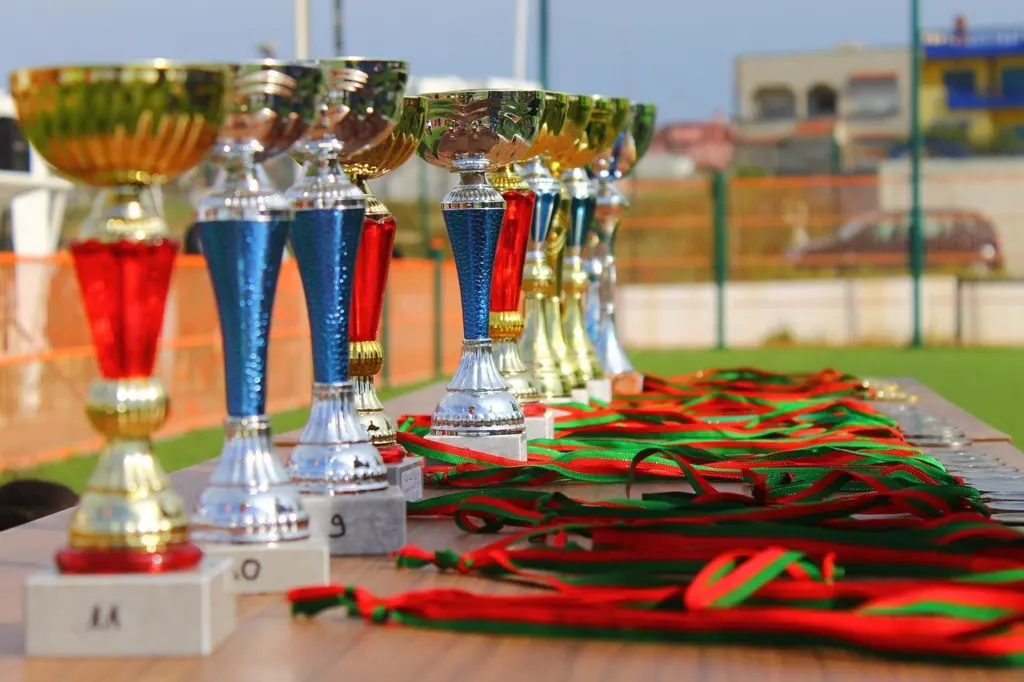
Check how an event describes its cowboy poetry awards before you decide whether a contest is worth your time. Some organizers may offer prizes, ribbons or certificates, and others may offer only a place on the program, so the rules page should tell you what winning actually means.

Weigh recognition against cost and effort. A contest with clear rules, transparent judging and a fair entry method is a better bet than a flashy prize attached to vague terms. If the organizer will not say how entries are judged, that is a reason to look elsewhere.
After the results
Use the outcome, win or lose, to plan your next entry. Ask the organizer whether judges’ comments are available, and note what worked in the room as well as what did not.
Keep your poems working after one event. A piece that was too long for one contest may fit another’s limit, and a revised version may suit a different category. If you find yourself drawn to the organizing side, how to organize a cowboy poetry gathering explains what it takes to run an event like this yourself.
Open mics and volunteering as other routes
An open mic is the lowest-pressure way to try your poem in front of listeners. There is no judging to prepare for, so it suits first-timers and anyone testing new work before a contest entry.

Readings have long sat alongside learning at cowboy poetry events. The Library of Congress holds a video recording of an evening cowboy poetry reading that followed a Cowboy Poetry Day afternoon seminar on April 7, 1994, which shows how readings and education have gone together for decades. Look for sign-up details with the organizer, since each event handles its own list.
Western festival volunteer opportunities are another way in. Ask the organizer directly what roles exist and what is expected, because those arrangements are set by each event. Volunteering lets you see how a Western festival runs from the inside and meet the people who set contest rules.
Frequently asked questions
Are there written and recitation categories?
It depends on the event. Look at the organizer’s rules for the categories on offer. The tradition grew from recited verse, so spoken categories are a natural fit, but a contest may judge written work instead or as well.
Where do I find a western poetry competition?
Begin with the websites of gatherings and Western heritage organizations, then check state arts council listings and regional news coverage. Confirm every detail on the organizer’s own page.
Is an open mic a good first step before entering a contest?
Yes, for most new competitors. It gives you practice with a microphone and an audience without the pressure of scoring, and you can adjust your piece before you enter anything.
How should I plan winter travel to the Elko gathering?
Check weather and road conditions before you leave, since winter weather varies at Elko’s elevation. Drivers come in on Interstate 80, and fliers connect through Salt Lake City.