A cowboy poetry workshop teaches writers to build traditional rhymed poems using stanza, rhyme, cultural themes and performing tips. It welcomes artists of all backgrounds, so ranch experience is not a barrier. The best starting point is a hands-on session that ends with a reading.
Picture a writer with a few lines about a fence-mending morning and no idea how to make them scan, rhyme or sound right aloud. Workshops are built for exactly that gap between a memory and a finished verse. Writers who also want the wider event picture can browse cowboy poetry gatherings, while this guide stays on craft and workshop formats.
What a cowboy poetry workshop teaches
A cowboy poetry workshop is a guided writing session where the aim is a finished poem you can read aloud. Cowboy Poetry LA describes its sessions as guiding people on how to write traditional cowboy poems with stanza, rhyme, cultural themes and performing tips. That list is a useful checklist when comparing any session you find.
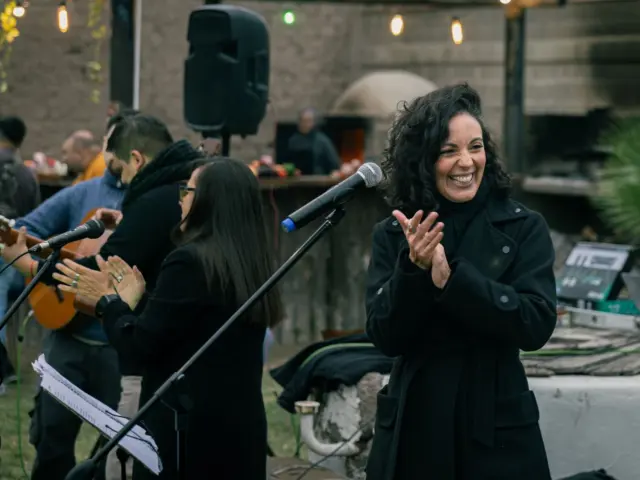
Formats differ, and the format changes what you leave with. Cowboy Poetry LA brings vintage typewriters so guests can learn about cowboy poetry and type their own poems. That suits writers who want a physical, low-pressure way to get words on a page. Workshop goers there are also given a platform to read their poems at an open mic, which turns a private draft into a performed piece.
The Library of Congress shows the same teaching-plus-performance pairing in its archive. Its cowboy poetry guide lists a Cowboy Poetry Day afternoon seminar on April 7, 1994, followed by an evening poetry reading. It also lists a lecture covering the history, origins, influences and forms of cowboy poetry, dated September 14, 2006. Together these suggest a sensible choice: a session that covers form should also give you somewhere to try the result out loud.
Making rhyme and meter work
Rhymed verse is the core skill in this tradition, and the workshop listing above puts stanza and rhyme first among its teaching points. The practical answer to how rhyme and meter work in cowboy verse is that the poem is built to be heard. Every choice you make should survive being spoken.
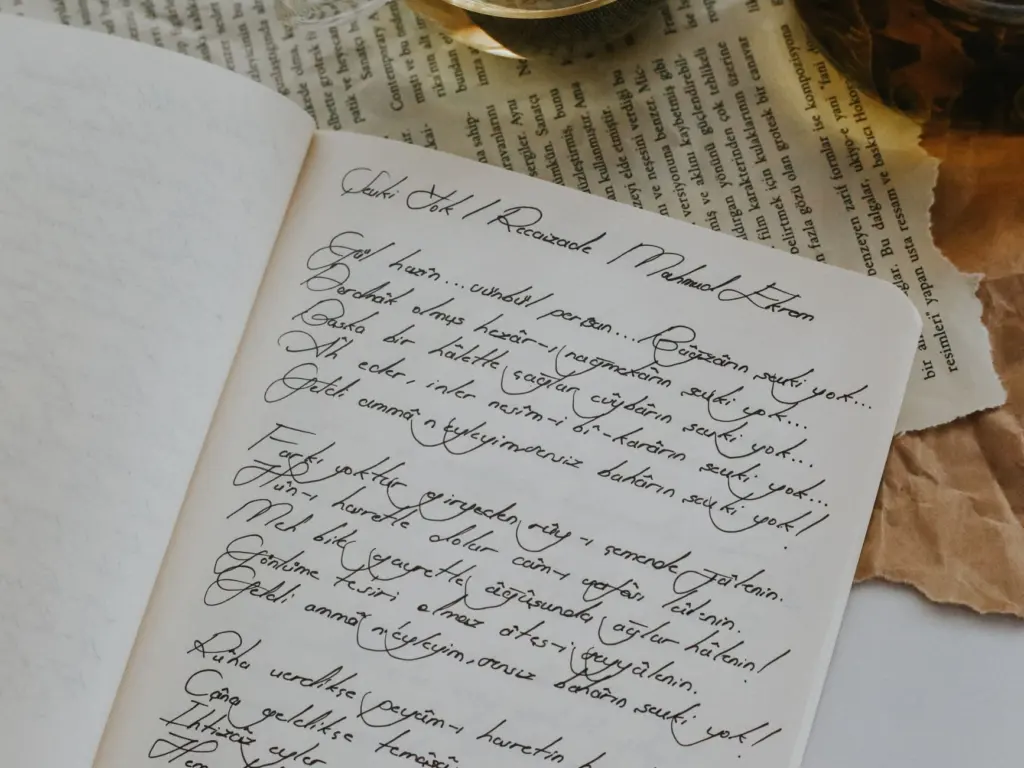
Pick a stanza pattern and keep it
Choose a stanza shape before you write the second stanza, then hold to it. Readers and listeners learn the pattern in the first stanza and expect it to continue. If a workshop teaches a particular stanza, copy its pattern for your first poem rather than inventing your own, because a borrowed structure lets you focus on content.
Test the beat by speaking
Read every line aloud and tap the beat. Where you stumble, the line has too many or too few stressed syllables compared with its neighbors. Fix the stumble by changing a word, not by forcing a stress onto a word that does not carry it. This habit also prepares you for the reading, since a line that trips you in the workshop will trip you at the open mic.
Rhyme with the right words
Rhyme works best when the rhyming words are the ones you most want the listener to remember. A forced rhyme that drags in a filler word is the most common way for a draft to sound amateur. When a rhyme will not come, rewrite the line so a different, stronger word lands at the end.
Finding material without ranch experience
Ranch experience helps, but it is not a requirement for writing in this form. Cowboy Poetry LA says children and artists of all backgrounds are drawn to its sessions. A venue listing on ma.to notes that participants often bring their own stories or inspiration for writing. Material, in other words, comes from your own life as much as from a saddle.
If you do have working ties to ranching, use them for specific, concrete detail. If you do not, write from what you have actually seen, worked at or felt, and keep the western setting honest to that. The Library of Congress notes that cowboy poetry reflects contemporary social, environmental and political issues, so current concerns are a legitimate subject, not just trail-drive nostalgia.
The same guide places cowboy poetry in the period of the long-distance cattle drives and describes it as one of the most popular forms of occupational poetry. It also cites influences as varied as the Bible and Shakespeare. That range is permission to read widely before you write. A notebook of overheard phrases, work routines and tools of a trade gives you more to draw on than any workshop prompt.
Drafting and revising a poem
Draft quickly, then revise slowly. A workshop session is short, so use it to get a complete rough version down, not a polished one. Cowboy Poetry LA encourages its workshop participants to take their poems home, which signals that revision is expected to continue after the session ends.
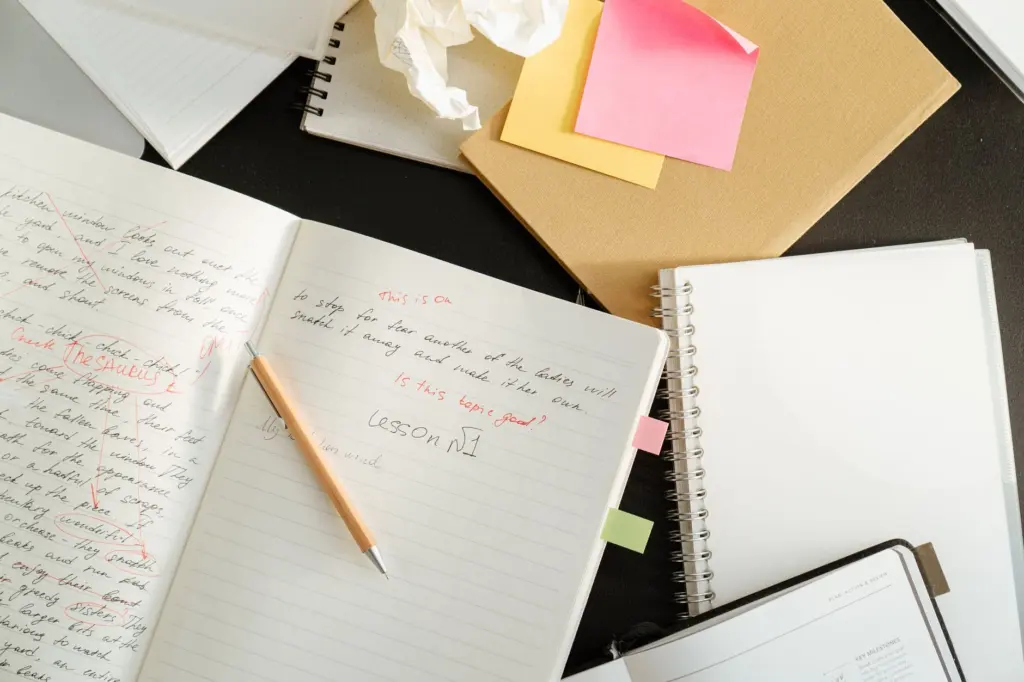
- Write the ending first. Knowing the last line gives every stanza a direction and tells you which rhyme sound to save for the close.
- Fill in stanzas in order. Keep to the pattern you chose, even if a line is weak, and mark the weak ones.
- Read aloud and mark stumbles. Circle each line that trips your tongue, then revise only those lines.
- Cut explanations. If a stanza tells the listener what to feel, replace it with an image or an action that makes them feel it.
- Leave it, then return. A day away from the page makes weak rhymes easy to spot.
Preparing to recite your poem
Reciting is its own skill, and rehearsal matters as much as the writing. Because workshop goers at some sessions read at an open mic, plan your reading before you arrive at it, not during it. Type or write a clean final copy so you are not reading from a draft crowded with corrections.
Practice with a listener where you can, even a single friend. Say the poem slowly, because nerves speed everyone up. Pause at the end of a stanza so the rhyme has time to land. Memorizing is a bonus rather than a rule, and a printed sheet held steady is better than a half-remembered recitation.
Keep this path separate from competition. A workshop reading is about trying your poem in front of people, while judged entries have their own rules and expectations, covered in the guide to the cowboy poetry contest.
Troubleshooting common problems
Most beginner obstacles map to something a workshop already offers. Use the table to match your problem to the format feature that addresses it.
| Problem | Workshop feature that helps | Planning use |
|---|---|---|
| No idea how to structure the poem | Guidance on stanza, rhyme and cultural themes | Choose a session that teaches traditional form before you start drafting |
| Nothing to write about | Participants bring their own stories or inspiration | Arrive with notes on a job, a place or a person you know well |
| Nervous about reading aloud | An open mic for workshop goers | Treat the first reading as practice, not performance |
| Unfamiliar with the writing tools | Vintage typewriters and little prior typewriter experience expected | Do not let lack of experience put you off the typewriter format |
| Draft feels unfinished at the end | Participants are encouraged to take poems home | Schedule revision time after the session |
These workshop features are described on the Cowboy Poetry LA workshops page and the ma.to venue listing.
When the poem sounds flat
Flat verse usually has abstract words where a concrete noun should be. Swap a general word for a specific object, such as a named tool or a piece of tack, and read it again. Specific detail is easier to rhyme and easier for listeners to picture.
When the rhymes sound forced
Reorder the line so the important word lands at the end, or choose a different rhyme pair altogether. Changing the sense of a line is better than keeping a rhyme that bends the language out of shape.
Where to find workshops and writing tips
Start with the organizers. Workshop offerings and any registration details are published by the event or collective running them, so check each organizer’s own page for dates, fees and what to bring. Cowboy Poetry LA hosts open mic nights, poetry workshops, live music and horseback outings across Los Angeles, according to its ma.to venue page, and one Cowboy Poetry Night event there is listed as free.
For reading and listening, the Library of Congress cowboy poetry guide collects recorded programs. These include a July 20, 2005 concert where working cowboy D. W. Groethe performed his own compositions as well as traditional songs. Hearing practiced performers is the quickest way to absorb pacing and rhythm.
If a workshop trip involves a larger gathering, the meal is part of the visit too, and the cowboy poetry gathering chuckwagon dinner guide covers that side of planning.
Frequently asked questions
| Question | Answer |
|---|---|
| Do workshops cost money? | It depends on the organizer. One Cowboy Poetry Night event with a typewriter workshop is listed as free on ma.to; check each organizer’s page for fees and registration on other sessions. |
| Can children or complete beginners join? | Cowboy Poetry LA says children and artists of all backgrounds are drawn to its typewriter experience, and many attendees have little typewriter experience. |
| Is the National Cowboy Poetry Gathering a workshop? | It is the annual gathering in Elko, Nevada, designated by Congress in 2000 and held since 1985, according to the Library of Congress. Check the organizers’ schedule for any teaching sessions. |