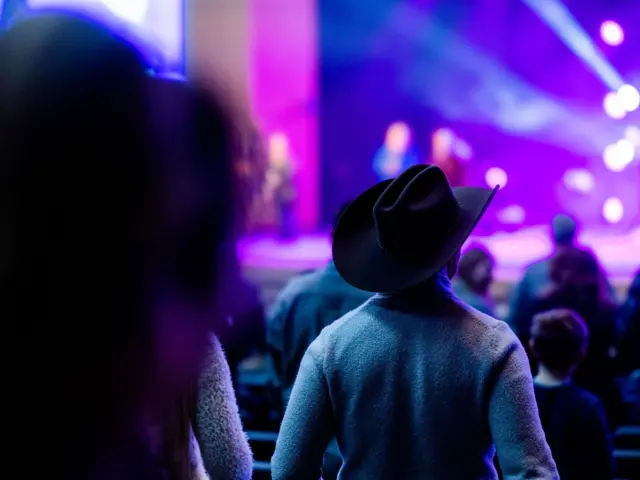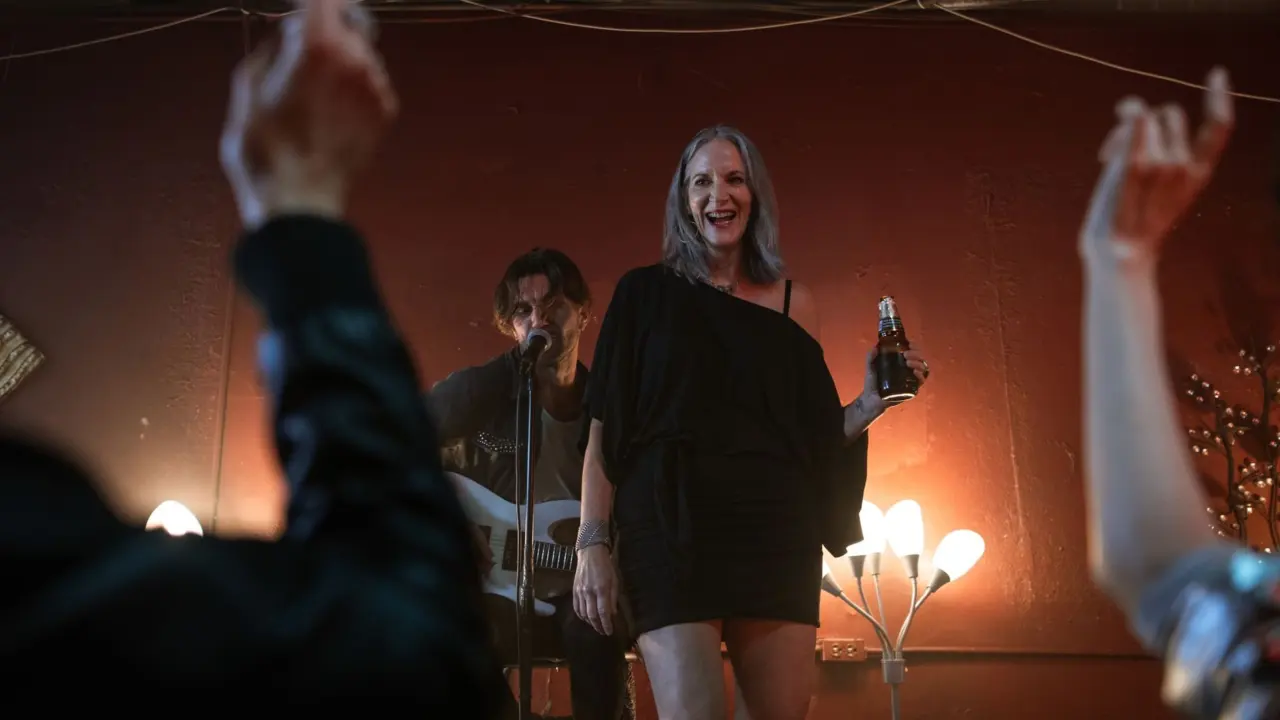
A cowboy poetry and music gathering puts spoken, rhymed verse and sung cowboy songs on the same stage, usually in separate turns. The poem relies on the speaker’s voice. The song adds melody and an instrument such as a guitar.
The sections below explain how the two forms differ and how programs combine them. For the wider picture, see cowboy poetry gatherings.
How spoken verse and sung songs differ
Cowboy poetry is rhymed verse delivered by speaking. The performer carries the rhythm and the pauses without an accompanist, and the audience follows the words alone. A cowboy song carries its words on a tune, and the instrument supplies pace and mood. The guitar is the usual example. Both forms share subject matter, but they ask different things of a performer and of a listener.
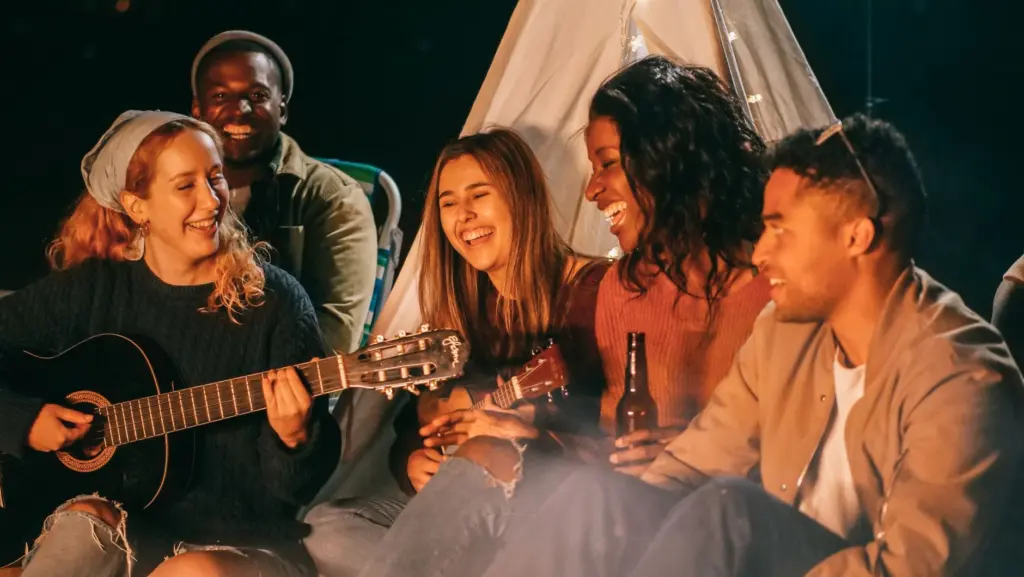
The Western Folklife Center’s festival pages show how closely the two sit together. The National Cowboy Poetry Gathering is described there as a week-long festival of cowboy poetry, music, and art. It began in 1985 as a time and place where western ranchers and cowboys could gather and share poems about working cattle. Poetry was the starting point, and music joined the program as the event grew to take in poets, musicians, artisans and storytellers.
What a listener notices first
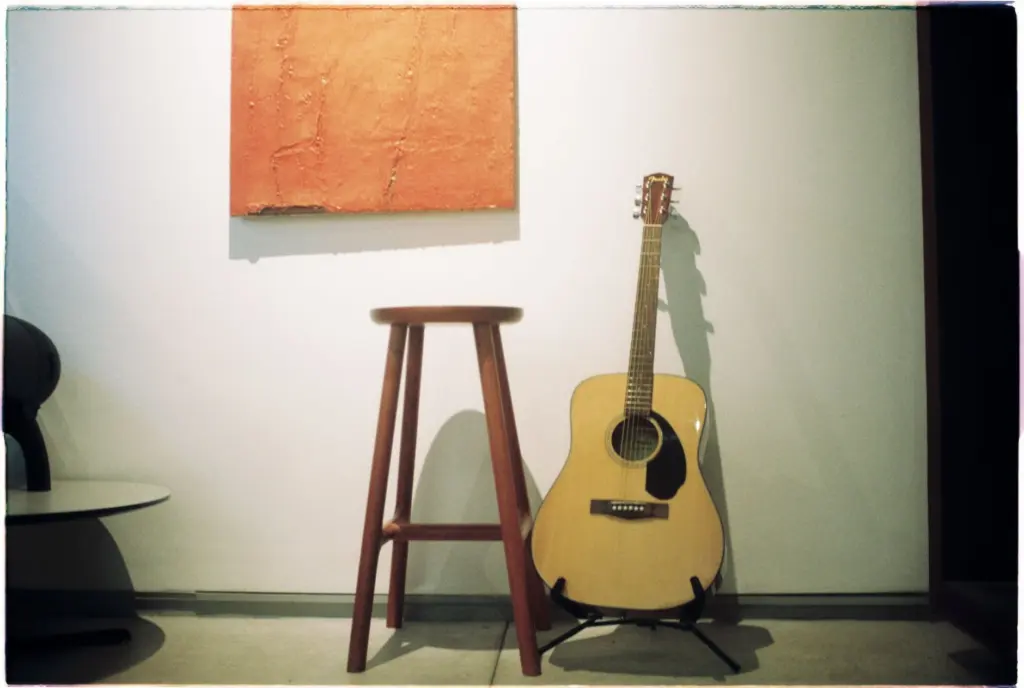
The quickest test is whether anything accompanies the words. If the performer speaks to the room unaccompanied, the turn is a poem. If a guitar or another instrument is carrying a tune, it is a song. Printed programs and show descriptions also tend to bill the two apart, listing poets in one group and musicians in another, which helps a first-time visitor sort what they will hear.
Where the line blurs
Some show descriptions deliberately merge the forms. One show description from the festival’s own site reads, “Healing comes in many forms…words, songs, the wind rustling through the aspens”, and presents words and songs together as parts of a single experience. In practice, a rhymed poem and a lyric can sound alike on the page. The practical difference remains the delivery: spoken, or set to a tune.
Why gatherings put both forms in one program
Gatherings combine poetry and music because they draw on one community and one body of subject matter, and because variety keeps a long program moving. The Western Folklife Center organizes the Gathering, according to a general reference summary of the event. That summary also says the first gathering in 1985 had 40 poets, and that the event now includes poetry readings and music, plus dancing and many workshops over six days.
For a visitor, the mix has a practical benefit. A session of spoken verse asks for close listening, and a session with instruments tends to let the room relax and join in. Alternating them changes the pace without leaving the western theme.
Cowboy songs as their own draw
Songs can carry a show without any poets at all. One festival show description says an all-consuming love for classic cowboy songs brings together four musical acts. That shows the song tradition is programmed as a feature in its own right and is not just a break between poets. The same reference summary notes that the music group Riders in the Sky has performed at the Gathering.
How a mixed session is built
Organizers’ own show descriptions give the clearest view of how poets and musicians share a bill. The descriptions on the festival’s show pages describe a few distinct patterns, set out below.
| Show pattern | What the description says | Planning use |
|---|---|---|
| Poets alongside musicians | Poets Phill Laubacher and R.P. Smith join musicians Wylie Gustafson and others on one lineup | Suits visitors who want both forms in one sitting |
| One poet with two musical acts | Poet Jake Riley shares a show with two musical acts | A good fit when you want music to frame a single poet’s set |
| Songs only | Four musical acts united by a love of classic cowboy songs | Choose this when songs are the priority |
| Words and songs together | Presented as complementary forms of healing | Suits listeners who like a thematic show over a strict split |
These patterns come from the show descriptions on Western Folklife TV’s Gathering show pages.
Reading the program as a visitor
Look at who is billed together. A show that names poets first and musicians after them is built around the spoken word, with music as company. A show listing only musical acts is a song session. Because mixed lineups put poets and musicians under one title, the title itself is often the best clue to the balance.
How a poem becomes a song
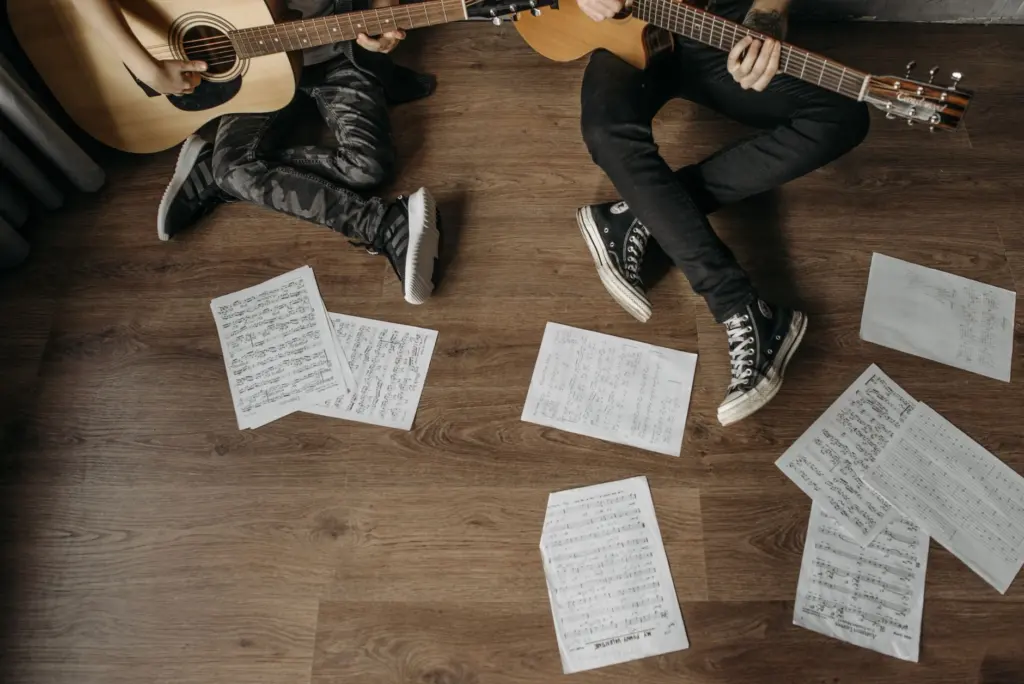
A poem can be set to music by fitting its rhymed lines to a melody and accompaniment, usually on guitar. Written music then fixes the tune so other players can perform it. Rhymed verse suits this well because its regular rhythm gives a composer something to build a tune on. The specific poems that have been set to music are best checked on individual performer pages and show listings.
Performers who cross between recitation and song
Program descriptions generally bill poets and musicians separately, so a performer who recites and plays is easiest to find by reading each performer’s own entry. The featured names on a show page show who is billed in which role. A visitor who wants a recitation and music from one person should check performer descriptions before choosing a session. For help with names and billings, read about cowboy poetry gathering featured poets.
A practical rule: if a performer is listed under both poets and musicians, or a bio mentions both, expect a mixed set. If the billing is clearly one or the other, plan for that form only.
Planning a visit around both forms
The 38th National Cowboy Poetry Gathering took place Jan. 30-Feb. 4, 2023, in Elko, NV, according to the festival’s show pages. That edition shows a week-long layout built from readings, music, dancing and workshops. Visitors who want to hear both spoken verse and song should mix session types across the days rather than choosing one stage and staying there.
- For first-timers: choose a lineup that pairs poets and musicians, since it shows the contrast between forms directly.
- For song lovers: pick a music-only show, such as one devoted to classic cowboy songs, then add a poetry session for contrast.
- For poetry lovers: pick poet-led shows, and let any music on the bill serve as context for the verse.
Meals are part of the gathering rhythm too. See cowboy poetry gathering chuckwagon dinner for how that side fits around the stage.
Frequently asked questions
What is the difference between cowboy poetry and cowboy songs?
Cowboy poetry is rhymed verse that is spoken. Cowboy songs put words to a tune, usually with an instrument such as a guitar. Gatherings present both, and show descriptions sometimes present words and songs together.
How do poems and music share a program at gatherings?
Show lineups pair poets with musicians, or pair one poet with two musical acts, while other shows are devoted entirely to songs. The festival is described by its organizers as a week-long event of cowboy poetry, music and art.
Which performers do both recitation and music?
Show descriptions bill poets and musicians separately, so check each performer’s own listing. The Gathering has featured poets and musicians such as Riders in the Sky, a music group that has performed there.
Who organizes the National Cowboy Poetry Gathering?
The Western Folklife Center organizes it. The Gathering began in 1985 as a place for ranchers and cowboys to share poems about working cattle.