| Reader situation | What to look for | Planning use |
|---|---|---|
| Wanting rhymed verse | Poets billed for recitation of verse about working cattle lives | Choose these sessions if the poetry itself is the draw |
| Wanting living poets | Western poets, artisans, songwriters and land stewards invited to bring new and old stories | Use the current lineup page as the guide to who is performing now |
| Wanting poets who also play music | Performers listed in both poetry and music roles | Read each biography; programming includes musicians, storytellers and poets |
| Planning a visit | A week-long program at the Western Folklife Center in Elko, Nevada | Build the trip around the sessions, not a single name |
Figures above come from an Elko visitor guide to the gathering, which describes the program mix and the venue.
Cowboy poetry gathering featured poets are best found on each event’s official lineup page, which places poets alongside musicians, storytellers and songwriters. Check each performer’s biography to see which roles that person holds.
The wider field of events is covered in the overview of cowboy poetry gatherings. This guide sorts featured and living poets by what a reader wants from a program.
Reading a lineup before you plan
A lineup is a program for one edition of one event. It tells you who is on stage now, which is a different question from who is remembered. Lists of past performers and classic poems serve history. A current lineup serves planning.
Official lineup pages
The organizer’s own lineup page is the authority on who is featured. Start there, then work outward. Third-party listings can lag behind changes, so treat them as pointers back to the organizer rather than as the final word.

Biographies and publisher pages
Folklife and arts organization biographies explain what a poet is known for, and a poet’s publisher page usually adds the books behind the name. Library and archive finding aids go further and can show a poet’s papers and recordings. Use these for background on a poet before you choose which session to attend, and keep the lineup page for the schedule itself.
If you want rhymed verse and stage recitation
Readers who come for rhymed verse are following the oldest thread of the tradition. According to the Elko visitor guide, the National Cowboy Poetry Gathering began as a time and place where cowboys and western ranchers could share poems about their working cattle lives.
Rhymed verse performers
Rhymed verse is poetry built on rhyme and meter, and it is meant to be heard as much as read. Look for performers whose biographies emphasize recitation or published verse about ranch work. These poets suit listeners who want the story told in a steady, memorable rhythm. They may be less satisfying if you mostly want music, because a verse session is built around the spoken word.
Stage performance as part of the draw
Stage performance shapes how a poem lands. The same poem can read quietly on a page and work very differently in front of a seated audience. The program described by the visitor guide also includes music, film, dance and discussion, so a poet’s slot is one item in a wider week. Pick the poets you most want to hear first, then fit the other sessions around them.
If you want living poets
Living poets are the ones on the current lineup, so the simplest test is whether a name appears on this year’s page. The gathering invites western poets, artists, artisans, songwriters and land stewards to bring new and old stories, which means the roster mixes ranch-rooted voices with others who work in related arts.
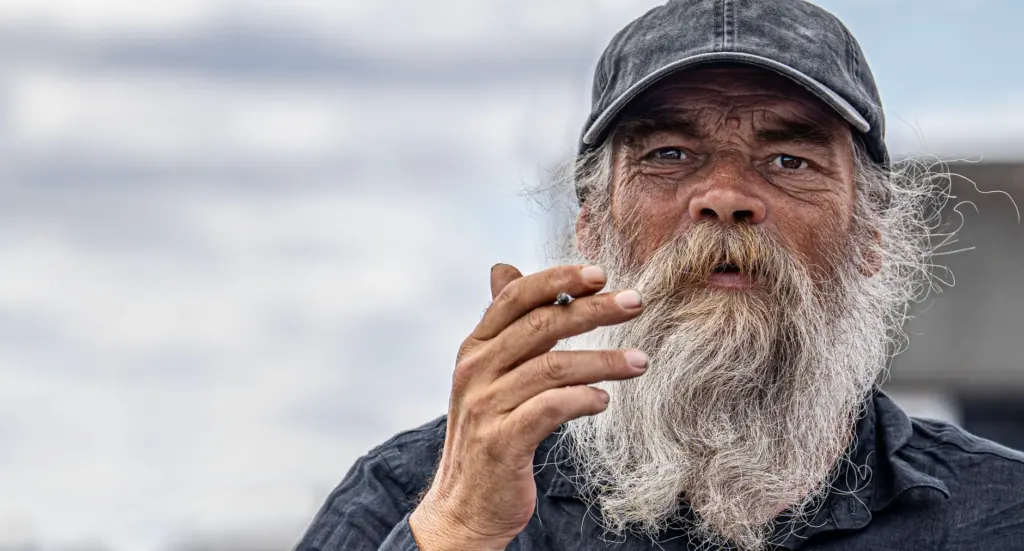
Traditional voices from ranch life
Poets with a working background in cattle country carry the tradition most directly. They suit readers who value first-hand detail about the work, and the biography is usually where that background is stated. A caveat: a long career is not the same as a current appearance, so confirm that a favorite poet is actually listed before planning travel around them.
Newer voices and wider storytellers
Because the invitation covers new stories as well as old ones, a lineup can include poets and storytellers who approach western life from a different angle. These suit readers who already know the classic repertoire and want something fresh. Lineups that mix both give the broadest sense of where the form stands today.
If you want poets who also perform music
Which featured poets also perform music depends on the year’s lineup and on each biography. The programming encompasses musicians, artisans, storytellers and western poets, and the invitation names songwriters alongside poets, so overlap between the two roles is built into the event’s design.
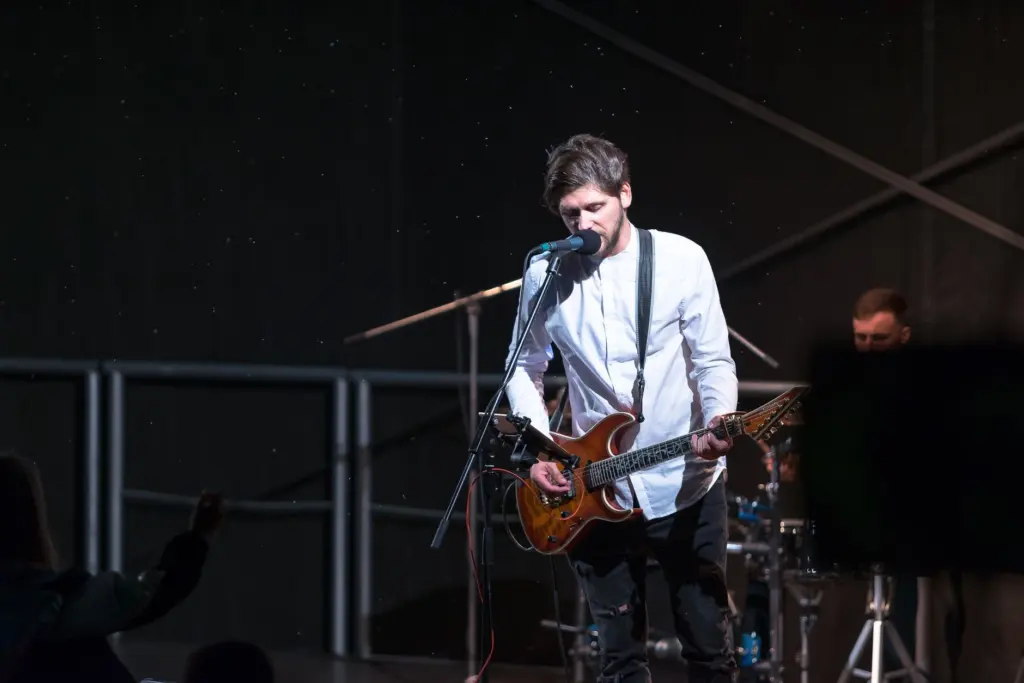
Poet-and-musician performers
Some performers appear in both roles, reciting verse and playing an instrument. A biography that lists both a book of poems and a recording is the clearest signal. These performers suit audiences who want variety within a single set. The trade-off is that a musical set may carry less spoken verse than a straight recitation slot, so read the session description before you commit.
Songwriters and storytellers on the same bill
Songwriters share the program with poets, and the two forms often lean on the same ranch-country subjects. If you want to see how verse and song sit side by side, the guide to the cowboy poetry and music gathering format explains how the two are combined on one program.
If you are planning around a specific event
The best-known event is held in Elko, Nevada, and the details of its venue and format shape which poets you can realistically hear.
The Elko gathering and its venue
The visitor guide places the gathering at the Western Folklife Center, 501 Railroad Street, Elko, NV 89801, with a listed phone number of 775-738-7508. It calls the gathering a week-long event and says a small group of folklorists and poets first produced it in 1985. For a fuller picture of the event itself, see the page on the national cowboy poetry gathering elko. Because the week is long and varied, an itinerary built around two or three must-hear poets leaves room for the music, film and discussion alongside them.
Further reading beyond the lineup
Anthologies and individual collections let you meet a poet before or after the event. Honor rolls and hall-of-fame style lists record who the tradition has recognized over time, while a lineup shows who is performing now. Use the first kind to learn names and the second to decide where to sit.
Frequently asked questions
| Question | Answer |
|---|---|
| Where is the main gathering held? | At the Western Folklife Center in the high-desert cowboy town of Elko, Nevada, according to the Elko visitor guide. |
| Who performs besides poets? | Musicians, artisans and storytellers join the program, and songwriters and land stewards are among those invited to take part. |
| Are living poets different from classic ones? | Living poets are the ones performing now, so they appear on a current lineup. Classic poets are better met through anthologies and archives. |
| How do I tell whether a poet also plays music? | Read the performer’s biography and any publisher page for both a book and a recording, then check the session description. |