Learn how to organize a cowboy poetry gathering: fix the format and performance schedule first, reserve a venue, confirm poets, recruit volunteers and budget for sound and food. First-time organizers can start with a simple host night.
This plan scales from a single evening to a full event. For the wider picture, see cowboy poetry gatherings, or read what is a cowboy poetry gathering to decide which kind you want to run.
Before you start
A first event needs a small team, a clear format and enough lead time. Planning guidance for poetry festivals from Lizzt suggests starting at least 8 to 12 weeks ahead for a small or medium festival. It also recommends at least 3 people for a small event. A first host night usually fits at the short end of that window. A multi-poet gathering suits the longer one.
- A core team. Plan for at least 3 people, so that arrival, stage and catering are never covered by the same person at the same moment.
- A format decision. Choose between an open mic night, an invited-poet programme or a mix. The choice shapes every later step.
- A venue shortlist. Choose rooms where you can control seating, a stage area and power for sound gear.
- A rough budget sheet. List cost categories before you ask anyone for money or time.
- A sound plan. Decide who owns or borrows the microphones and mixer before you announce a date.
Step-by-step plan
Step 1: Choose host night or full gathering
A host night is one evening, one room and a short list of readers, often with an open mic. It is the right first event when you have no volunteer base and no track record with local poets. A full gathering adds days, multiple stages and a larger team.
The scale of the best-known example shows how far a gathering can grow. The 36th annual National Cowboy Poetry Gathering, presented by the Western Folklife Center in Elko, Nevada, ran from January 27 to February 1, 2020. Its auditorium stage opened with a Wednesday night music fest. Treat that as a ceiling to grow toward, not a starting point. Fix the format and performance schedule before you open registrations, as Lizzt’s poetry festival plan advises.
Step 2: Reserve the venue
Reserving the venue is task one in the Lizzt plan, ahead of contacting poets and compiling the programme. Everything else depends on the room, so settle it before you promise dates to performers.
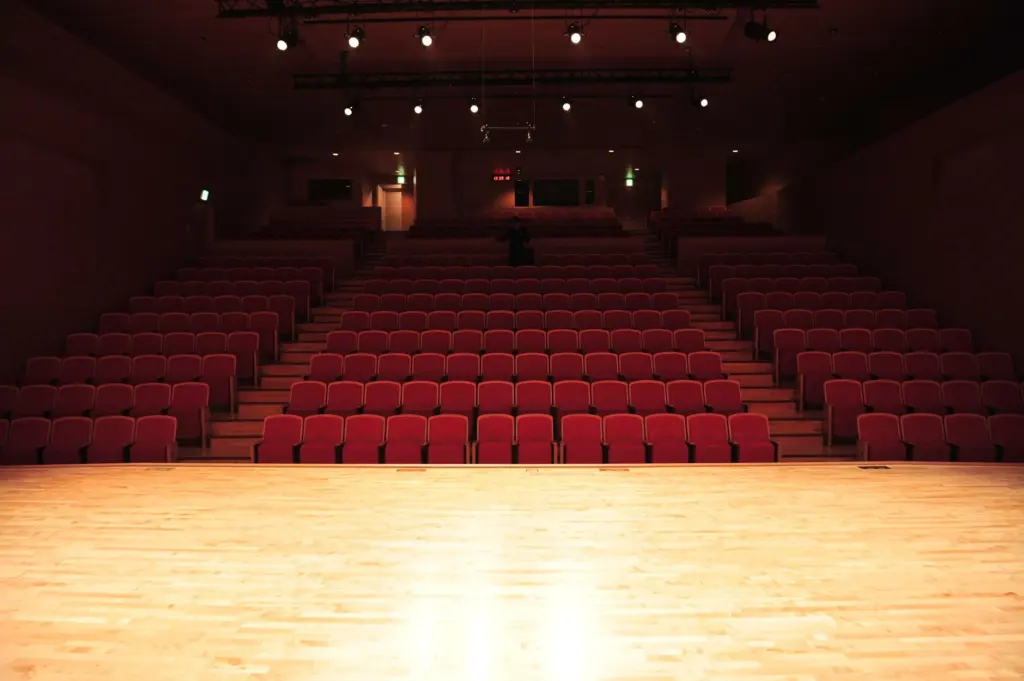
Pick the room by function. You need a visible stage area, seating for the expected crowd, coat racks and reliable power. A hall with a fixed stage saves volunteer time. A plain room works for a host night if you can arrange chairs facing one clear performance spot.
Step 3: Find and confirm performers
Set the programme before sending invitations. Confirm each poet’s slot, arrival time and technical needs first, so that every invitation carries concrete details. The Lizzt plan lists contacting poets as its second task and assigns 2 people to it.
Ask poets to confirm their participation and slot at least 6 weeks before the event. For an open mic, replace invitations with a sign-up sheet and a fixed slot length, and keep a few invited readers to anchor the evening. If you later add a cowboy poetry contest, add judging and entry rules to the programme rather than squeezing them into the same night.
Step 4: Build the event budget
A small event budget starts from categories, not totals. The Lizzt plan groups needs the way you would shop for them: furniture, equipment, tableware, kitchen, decorations, catering, cleaning and reception. Add a line for each, then fill in quotes or loan offers.
Borrowing is the simplest way to keep a first event affordable. Chairs, tables and a mixer from a community group or school can cover several categories at once. Write down what is borrowed so that it can be returned, and decide early whether poets are paid, because that line changes the scale of everything else.
Step 5: Recruit and schedule volunteers
Lizzt’s guidance is roughly 1 volunteer per 25 to 30 guests, with a minimum of 3 people for a small event. Use the ratio to set the size of the team, not to cap it. If the room holds more than you expect, add helpers before the doors open rather than during the rush.
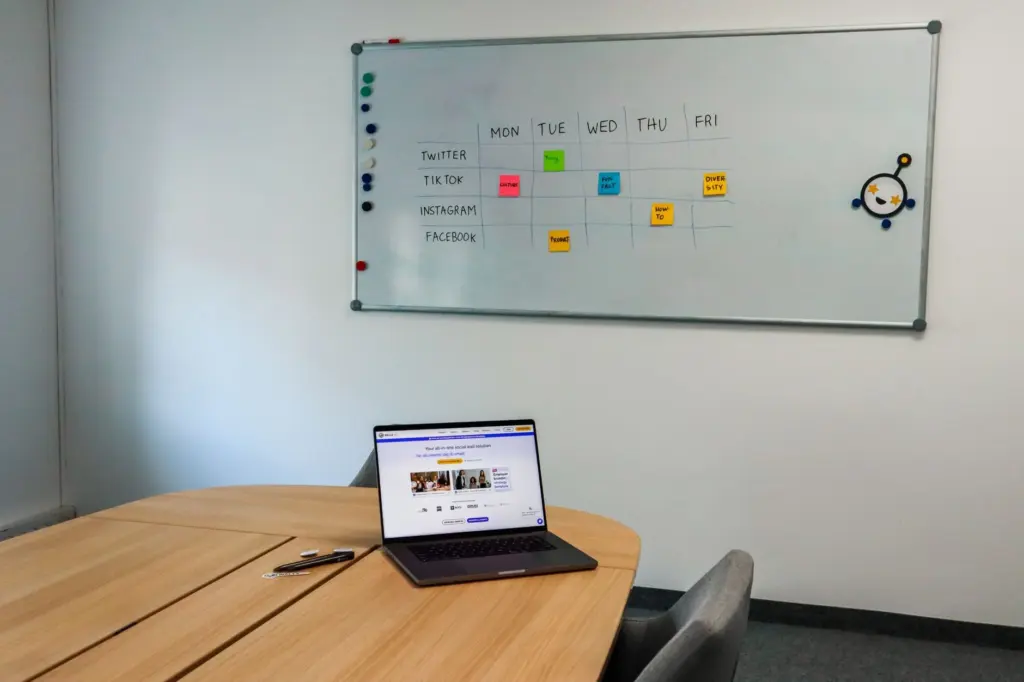
Roles follow the flow of the evening. Schedule volunteers in shifts rather than asking for all-day help. Shifts cover arrival, stage, catering and clear-up, and they should overlap during the busiest 30 minutes. Each role has a plain job:
- Arrival. Greet guests, hand out programmes and direct people to seats and coat racks.
- Stage. Call poets up in order, hold the time, and keep the microphone moving.
- Catering. Set out drinks and snacks and handle any dietary requests.
- Clear-up. Reset the room, return borrowed items and collect rubbish after the last poem.
Step 6: Arrange sound equipment
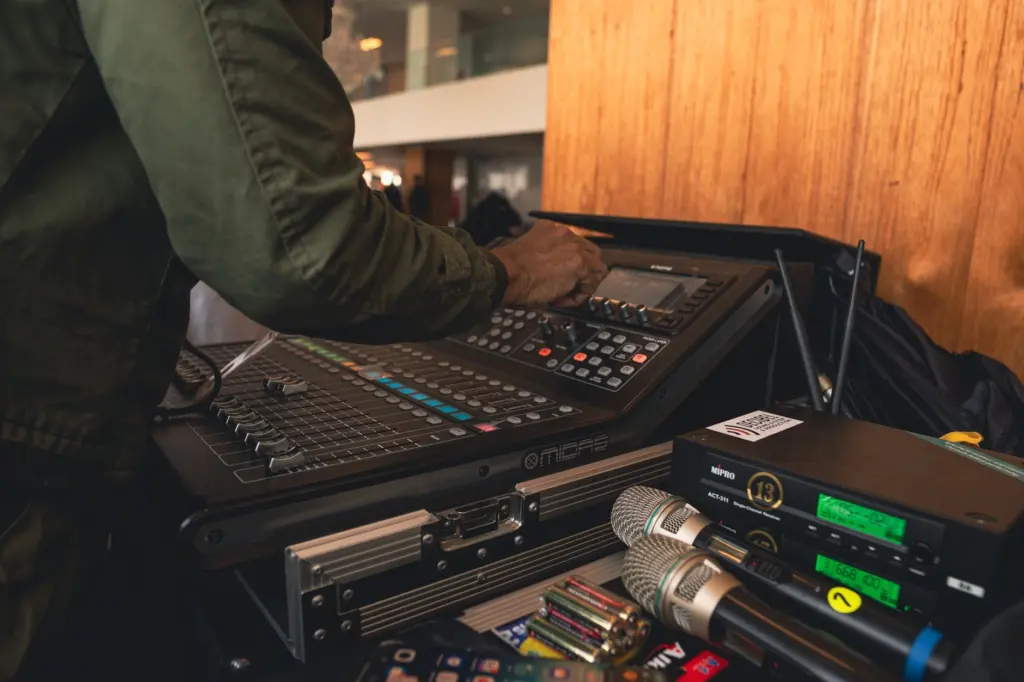
Poetry depends on being heard, so sound is the technical need that matters most. A small hall may only need a microphone, a speaker and a mixer. Larger rooms add wireless microphones and stands. Decide who operates the mixer, since the stage volunteer cannot do both jobs.
Test it properly. Check the sound level from the back row at least 2 hours before doors open, per the Lizzt festival plan. If a voice is hard to follow from the back, fix it then, not after the first poet has begun.
Step 7: Close the numbers and run the night
Finalise attendance and dietary requirements at least 7 days before the event, then place the catering order once registrations and dietary requirements have closed, according to Lizzt. A host night with only drinks and snacks keeps this step light.
On the day, brief the volunteers, give the host a printed running order, and keep the first poem on time. A reliable start sets the pace for the whole programme.

Checkpoints and timing
These checkpoints turn the steps into a calendar. Work backwards from the event date and treat each line as a minimum, not a target.
| Checkpoint | Timing | Planning use |
|---|---|---|
| Start planning | At least 8 to 12 weeks ahead for a small or medium festival | Gives time for venue, poets and volunteers |
| Poets confirm slots | At least 6 weeks before the event | Lets you finalise the running order |
| Attendance and dietary numbers | Finalised at least 7 days before | Fixes catering and seating counts |
| Catering order | 7 days before the festival | Placed once registrations and dietary requirements close |
| Sound check from the back row | At least 2 hours before doors open | Leaves time to adjust levels |
These timings come from the Lizzt poetry festival plan, which is written for poetry festivals in general rather than cowboy events specifically.
The common mistakes are inviting poets before the programme is set, leaving sound testing until the audience arrives, and asking volunteers for all-day help. If the venue or the volunteer minimum is not secured by the poet-confirmation checkpoint, scale back to a host night instead of pressing on with a full gathering.
Frequently asked questions
Can a cowboy poetry gathering include music?
Yes. The National Cowboy Poetry Gathering in Elko, Nevada, opened its auditorium stage with a Wednesday night music fest, according to Cowboys & Indians. A first event can add a short music set between poetry blocks.
What belongs on a sound equipment checklist?
The Lizzt plan lists wireless microphones, speakers, a mixer, microphone stands, extension cords, power strips, a laptop and HDMI cables. Skip the laptop and cables if nothing is projected.
In what order should the room be prepared?
Check coat racks and seating first, then set up the stage, lighting, badges, printed programmes, drinks and snacks, following the Lizzt plan.