| Question | What to know | Planning use |
|---|---|---|
| Where did the modern movement begin? | Elko, Nevada, where the Western Folklife Center coordinated the first Gathering in 1985 | Start with the Elko story, because most gathering formats echo it |
| How long can a big gathering run? | The Elko event grew into a week-long event; its programme lists six days of poetry, music, dancing and folk art exhibits, plus workshops | Plan travel around several days, not a single evening |
| When is the best-known one held? | Every January in the high-desert town of Elko | Prepare for winter travel and book lodging early |
| Is there national recognition? | Congress designated the Elko gathering as the National Cowboy Poetry Gathering in 2000 | Use it as the benchmark when comparing other events |
| Who takes the stage? | Emerging and established poets and performers from varied backgrounds | Newcomers are part of the tradition, not outsiders to it |
The figures above come from the Library of Congress guide to cowboy poetry and the Poets & Writers description of the Elko gathering.
Cowboy poetry gatherings are festivals built around live recitation of poems from ranching life, with music, dancing and workshops around them. The Elko, Nevada gathering shows the template; choose whether you want to listen, learn or perform first.
For a plain definition, the guide on what is a cowboy poetry gathering goes deeper, while the sections below map the history, the programme formats, the best-known events and the practical steps for attending or taking the stage.
What counts as a cowboy poetry gathering
A cowboy poetry gathering is a public event where poets from ranch country recite for a live audience, and that recitation is what defines it. Music, dancing, workshops and exhibits fill out the larger events, but the person, the poem and the listening room are the centre. The Library of Congress notes that cowboy poetry has existed since the late nineteenth century. A gathering is the setting that gives that older spoken tradition a regular audience.
Poetry at the centre
The poems themselves cover a wide range. Poets & Writers quotes a voice from the early Elko Gatherings recalling that, at first, people were reciting old, passed-down, traditional poetry much more than their own work. That tells a first-time visitor something useful: you may hear a classic recited alongside a poem written last season, and both are treated as part of the same tradition.
Poems in this tradition are often rhymed verse. The Library of Congress lists the Bible, Shakespeare, and cowboy films and novels among their influences, and adds that the poetry reflects contemporary social, environmental and political issues. A gathering is therefore not a nostalgia exhibit. Expect humour and working-life storytelling, and also poems about land, weather, change and the pressures on ranching today.
Who is in the room
The audience and the performers overlap heavily. Describing the Elko event, Poets & Writers quotes an observer saying attendees are, by and large, women and men from ranching, people who live that life. The same description says the programme features emerging and established poets and performers from varied cultural and geographical backgrounds, and that every January thousands of cowboys, ranchers, musicians and craftspeople travel to Elko.
You do not need a ranching background to enjoy a session, but a few things follow from who attends. The jokes and references assume familiarity with cattle, horses, weather and work. Listening closely in the first sessions will teach you the shorthand faster than reading about it beforehand.
Where the gathering tradition came from
The modern gathering movement grew out of an old oral practice and a specific event in Elko, Nevada. The practice is older than any festival; the festival format is what is comparatively recent. Knowing both halves helps you read what you see on a programme today.
Cattle-drive roots
The Library of Congress traces cowboy poetry in the United States to the period of the long-distance cattle drives from Texas to Kansas after the Civil War. Poems were made and shared in the work itself. That origin explains why the subject matter stays so close to ranching, and why recitation, not publication, has always been the way the poems travel.
Arizona gives a documented example from ranch life rather than festival life. The Library of Congress holds video documenting ranch owner, singer and cowboy poet Van Holyoak, recorded by a folklorist in 1977 near Clay Springs, Arizona. A working rancher performing his own verse and songs on his own land shows how deeply the practice was part of everyday ranch culture before any gathering stage existed. For readers drawn to southwestern ranch country, it is a good reminder that the poetry belongs to places like that as much as to festival halls.
The first Elko Gathering
The modern movement took shape in 1985. Poets & Writers reports that the first Gathering, coordinated by Elko’s Western Folklife Center, was held in 1985. It was originally planned as a one-time weekend event by folklorists, and organizers went looking for folk poets, people who did not necessarily identify themselves as poets or artists.
That detail matters for newcomers. The format was designed to bring working people with a gift for verse onto a stage, so the culture of the event has always been more welcoming to amateurs than a literary reading would be. The Library of Congress confirms that the gathering had taken place since 1985 and had grown into a week-long event that drew participants from around the country. A weekend that was never meant to repeat became the template that other gatherings follow.
For a fuller account of how that growth unfolded, see the history of cowboy poetry gatherings.
National recognition
The Library of Congress records that in 2000 Congress designated the annual cowboy poetry gathering in Elko, Nevada, as the National Cowboy Poetry Gathering. The designation ties the event’s name to its place, which is why searches for the national gathering and for Elko lead to the same programme.
What happens on the programme
A gathering programme mixes recitation with music, conversation, instruction and craft, and the mix is the reason many visitors stay for several days. Poets & Writers describes the Elko festival as featuring six days of poetry, music, dancing and folk art exhibits, as well as numerous workshops. The detail of any single day varies, so treat the formats below as the building blocks you will see on a schedule.
Recitation and stage sets
Stage sessions are the heart of the programme. A featured poet or a small group of poets takes turns reciting, sometimes with a theme, and the audience sits and listens. The pace is unhurried, and the best sessions tend to build, with a funny poem followed by a serious one. If you are choosing between sessions, favour a mix of names you recognise and names you do not; the second category is where most discoveries happen. Pages on cowboy poetry gathering featured poets show how lineups are usually presented.
Special sessions and conversations
Not everything on the schedule is a recital. The National Cowboy Poetry Gathering’s own site describes lively conversations covering cowboying, music, poetry, history, stewardship and issues. These sessions suit visitors who want context as well as entertainment, and they are a good use of an afternoon when you have heard enough verse for the day.
Workshops
Workshops widen the programme beyond the page. Poets & Writers lists subjects from storytelling and rodeo swing dancing to rawhide braiding and spit cooking. That spread shows the events treat cowboy culture as a whole body of skills, not only poetry. Writers who want practical help with their own verse should look specifically for a cowboy poetry workshop rather than assuming every session teaches craft.
Music and dancing
Music runs through the programme, and dancing is part of the evenings. The Western Folklife Center’s page for the 36th gathering in 2020 describes a schedule running from an opening show on Monday evening through a midnight dance wrapping up in the early hours of Sunday. If you enjoy both words and songs, the guide to the cowboy poetry and music gathering explains how the two sit together.
Format comparison
| Format | What it involves | Planning use |
|---|---|---|
| Recitation sets | Poets recite to a seated audience, from passed-down verse to new work | Anchor your day around two or three sets and leave room between them |
| Special sessions | Conversations on cowboying, music, poetry, history, stewardship and issues | Choose these for background and a change of pace |
| Workshops | Hands-on topics from storytelling to rawhide braiding and spit cooking | Pick one that matches a skill you want, then check the schedule for sign-up details |
| Music and dancing | Music sets and dancing alongside the poetry | Keep evenings free if you want the social side |
| Folk art exhibits | Displays of craft and folk art within the festival programme | Good filler between sessions |
The formats and examples above are drawn from the Poets & Writers festival description and the official special sessions page.
The question of how does a cowboy poetry gathering work has a different answer at each event, since smaller gatherings may run a few sessions rather than a full week. Use the table as a vocabulary for reading any programme, not as a promise of what a particular event offers.
The best-known gatherings in the United States
The National Cowboy Poetry Gathering in Elko, Nevada is the best documented and the most widely recognised. It is held every January, it carries national designation from Congress, and it is coordinated by the Western Folklife Center. Anyone comparing events should use it as the reference point for scale and format.
Elko, Nevada
Elko is a high-desert town, and the gathering has drawn participants from around the country since 1985. Past Gatherings have hosted well-established poets, musicians and folklorists, such as Wally McRae, William Kittredge and Baxter Black. For a deeper look at the event itself, see the page on the national cowboy poetry gathering elko.
Ticketing for the larger events works on a schedule, so planning matters. For the 2020 Gathering, tickets went on sale on September 3, 2019 for Western Folklife Center members, with general sales following on October 3, according to the Western Folklife Center’s event page. Those dates belong to one past year, but the pattern is the point: members can buy first, and the general public later. If you plan to attend the Elko gathering, check the current official page for the new dates.
Other gatherings and how to compare them
Beyond Elko, gatherings take place in ranching regions across the country, and the guide to cowboy poetry gatherings in the united states is the place to start for a state-by-state view. When comparing any two events, weigh these factors:
- Length and pace. A multi-day event rewards travel, while a shorter one suits a day trip and a lighter commitment.
- Mix of formats. Check whether the programme includes sessions, workshops and music, or recitation alone.
- Stage access. Look for an open mic or poets’ session if you want to perform, rather than only a ticketed lineup.
- Ticketing rules. Membership sales windows and general sale dates can decide whether you get a seat at a popular event.
Attending your first gathering
Treat a first gathering as a listening trip. Arrive with a loose plan for each day, expect to move between sessions, and leave room for conversation. Because the audience is largely made up of people who live ranching life, a newcomer who listens well is welcomed readily.
Planning before you go
Start with the organiser’s official page for dates, locations and sale windows. The step-by-step guide on how to attend a cowboy poetry gathering covers the practicalities in order. Three decisions shape the trip.
- Dates. The Elko gathering is held every January, so winter weather in a high-desert town is a real planning factor. Pack for cold conditions.
- Tickets. Buy as soon as the sale opens to you, because members’ sales can come first and the general sale later.
- Session choice. Pick a few recitation sets that matter to you and fill the gaps with a workshop, a conversation or a dance.
What a day tends to feel like
At a multi-day festival, the pace is set by the programme: sessions during the day, music and dancing as evening comes on. The 2020 Gathering ran, according to its official page, until a midnight dance wrapped up in the early hours of Sunday, so a late night is a realistic part of the experience at the largest events. If you are travelling a long way, build in a rest day rather than trying to attend everything.
Meals are part of the social structure at events like this. Where the programme includes one, a cowboy poetry gathering chuckwagon dinner is worth reading about in advance so you know how to join in.
Taking the stage
The tradition is open to newcomers by design. The 1985 organizers set out to find poets who did not see themselves as poets, and today’s programmes feature emerging as well as established performers. If you have a poem you can deliver, there is a way in, though the route depends on the event.
Open mic and poets’ sessions
Where a gathering offers an open mic or a poets’ session, it is the natural first stage for a newcomer. A cowboy poetry open mic normally involves signing up, waiting for your slot and delivering one poem. Procedures differ between events, so check the organiser’s page and the sign-up area before the sessions begin.

Choosing between sets and contests
Performing at a gathering can mean three different things: a short open-mic turn, a place in a programmed session, or an entry in a competition. The step-by-step guide on how to perform at a cowboy poetry gathering walks through the process in order. If you enjoy the idea of being judged, a cowboy poetry contest offers a structured route, while an open mic suits those who simply want to share a piece.
Writing and reciting the poems
Gatherings reward poems that work out loud. The written page is where a poem starts, and the stage is where it is tested.
Material and voice
Because the tradition draws on influences from the Bible and Shakespeare to cowboy films and novels, there is no single required style. The Library of Congress also notes that the poetry reflects contemporary social, environmental and political issues, so a poem about a drought, a fence line or a changing community fits as comfortably as a humorous yarn. A useful test before bringing a poem to a gathering is to read it aloud and see whether the rhymed verse carries the meaning without the page in front of you.
The early Gatherings leaned on traditional, passed-down poetry more than on original work, according to the voice quoted by Poets & Writers. So reciting a poem you did not write is part of the tradition, provided you give credit where it is due.
Delivery
Delivery is its own skill. For a practical walk-through of pacing, breath and memory, see how to recite cowboy poetry. The most useful habit is to rehearse out loud, in the room where you expect to perform if you can, because the sound of rhymed verse in a hall differs from how it reads on paper.
Community, ranch life and the people behind the gathering
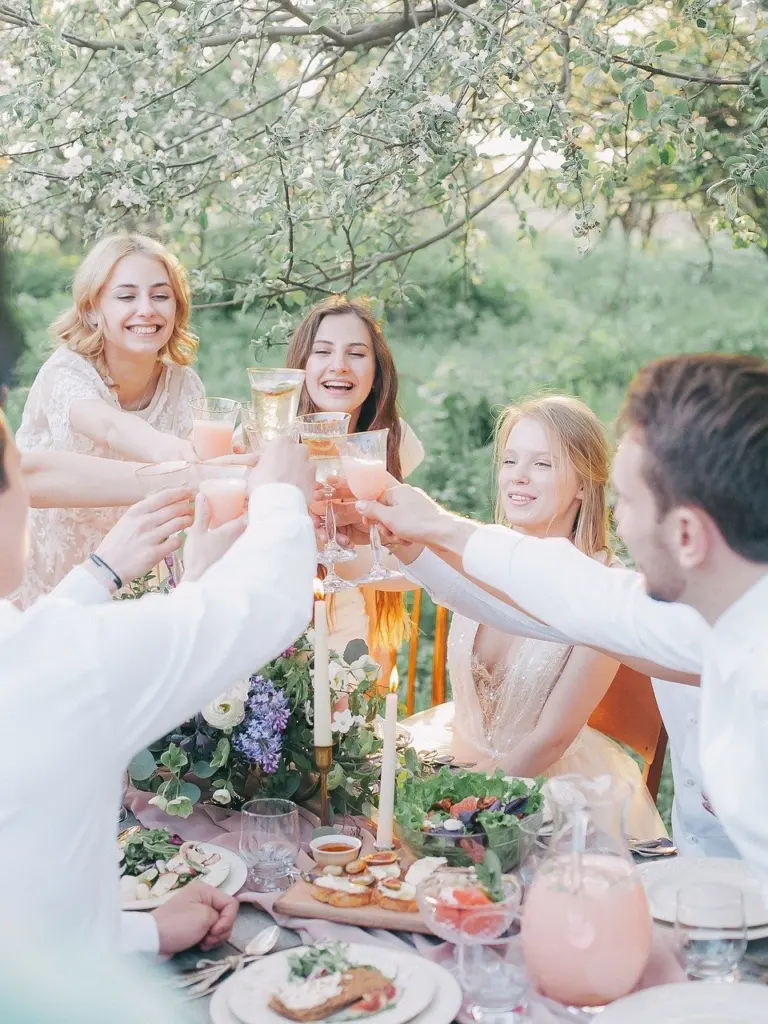
The gathering is as much a community as a programme. People travel to Elko every January to see old friends as well as to hear poems, and the shared background of ranching gives the event its character.
Why the setting matters
Because attendance is largely made up of people from ranching, the programme speaks to them directly. The conversations on stewardship and issues, and the workshops on rawhide braiding and spit cooking, make sense in that context. For visitors from outside, that is a reason to go: you see a living working culture, not a staged version of one.
Running your own
Some readers come to gatherings with the idea of starting one. The 1985 Elko event began as a one-time weekend planned by folklorists and grew into a week-long event, which shows how a modest idea can develop. The guide on how to organize a cowboy poetry gathering covers the planning steps in order.
Frequently asked questions
When is the National Cowboy Poetry Gathering held?
It takes place every January in Elko, Nevada, a high-desert town, and the Western Folklife Center coordinates it. Always confirm the current dates on the official site before booking travel.
Do I need to be an experienced poet to take part?
No. Organizers of the first Elko Gathering looked for folk poets who did not see themselves as poets, and the programmes still feature both emerging and established performers.
Is a gathering only poetry?
No. The Elko programme combines poetry with music, dancing, folk art exhibits, special-session conversations and workshops ranging from storytelling to rawhide braiding.
When did the Elko gathering become national?
Congress gave it the title National Cowboy Poetry Gathering in 2000, after it had been held annually since its 1985 start.