
| Year | Milestone | Planning use |
|---|---|---|
| 1910 | John Lomax publishes Cowboy Songs and Other Frontier Ballads | The best starting point for the printed repertoire and for judging origins. |
| 1919 | Bentley Ball records “The Dying Cowboy” for Columbia | An early commercial recording to hear against the printed text. |
| 1927 | Jimmie Rodgers makes his own cowboy recordings | Marks the point where cowboy material meets commercial country music. |
| 1929 | Victor signs Gene Autry | Use it to separate trail-derived songs from screen-era performers. |
| 1942 | The Library of Congress folk series launches as the first documentary anthology of American folk music | The route into archival field recordings. |
| 1952 | “Cowboy Songs, Ballads and Cattle Calls from Texas” is first released, edited by Duncan Emrich | Pick this for cowboy repertoire captured in field recordings rather than studio versions. |
Dates come from the Roots World feature on Library of Congress cowboy music and a Mudcat thread on the Library of Congress folk albums.
Cowboy songs divide into material gathered in John Lomax’s 1910 book, early commercial recordings from 1919, and later film and radio songs. Origin matters, because many songs sold as authentic are not of cowboy origin.
For the wider picture, start with our guide to cowboy music. The story-song side of the repertoire is covered in cowboy ballads.
Trail setting and what the songs are about
Cowboy songs are rooted in the cattle drive and open-range life, and the best-known examples stay close to that setting. “Home on the Range” and “Git Along, Little Dogies” are the well-known favourites from Lomax’s collection. The first speaks of home on open country, the second of driving cattle along.

Not every subject is pastoral. “The Dying Cowboy” is a death song, and the collection also includes “Jack O’Diamonds”, which contains the lyrics of “Whiskey, Rye Whiskey”. Trail songs mix work, loneliness, gambling, drink and mortality, so expect more than scenery.
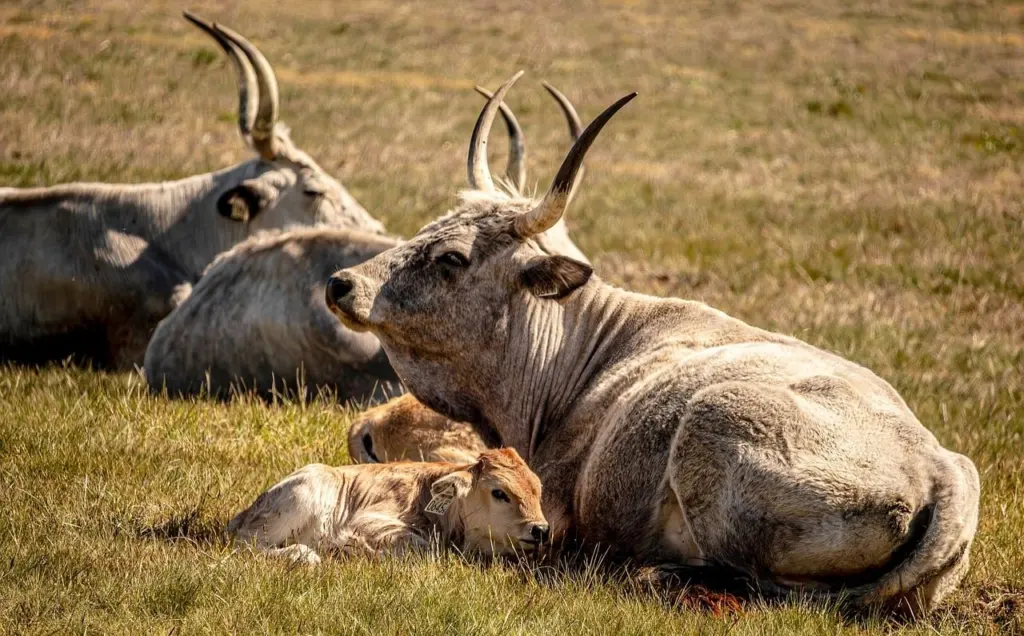
The image of the singing cowboy was also shaped from outside the bunkhouse. Wild West shows, Frederick Remington paintings, short stories and dime novels had long romanticized the cowboy before recordings arrived. By 1952, the same feature says, the cowboy had come to symbolize personal integrity, heroic virtue and lyrical freedom. The same source notes that Franklin D. Roosevelt declared “Home on the Range” his favorite tune. That popularity is a reason to treat the most famous titles as cultural symbols as well as trail songs.
Collectors and songbooks
John Avery Lomax’s Cowboy Songs and Other Frontier Ballads, published in 1910, first brought this music to public attention. It held over 150 songs, so it is the natural benchmark when you ask whether a song is part of the documented repertoire. A 1967 Western Folklore article (volume 26, issue 2, April 1967) names Thorp and Lomax as the collectors of cowboy songs. It also cautions that many “authentic” songs are not of cowboy origin.
Telling documented songs from borrowed ones
Work through a song in this order before calling it an Old West original.
- Check the collection. A song printed in Lomax’s 1910 book, such as “Jack O’Diamonds”, is documented in a published songbook. That shows it was in circulation, not that cowboys composed it.
- Compare melodies. “The Streets of Laredo”, “One Morning in May” and “The Dying Cowboy” share an English melody. A shared tune points to borrowing from an older tradition.
- Question the label. Treat the word “authentic” as a prompt to look for the origin, using the 1967 scholarship above as the reason.

The table below applies that sorting to the core titles. It is a guide to how far each claim of origin can be pushed.
| Song | What is documented | How to treat it |
|---|---|---|
| Home on the Range | A well-known favourite from Lomax’s collection; later named a favorite tune by Roosevelt | Collected trail-era repertoire that grew into a national favourite. |
| Git Along, Little Dogies | A well-known favourite from Lomax’s collection | Collected cattle-driving song. |
| Jack O’Diamonds | In Lomax’s 1910 book; contains the lyrics of “Whiskey, Rye Whiskey” | Documented in print, with lyrics that travelled under another title. |
| The Dying Cowboy | Recorded by Bentley Ball for Columbia in 1919; shares an English melody | Cowboy subject on a borrowed tune. |
| The Streets of Laredo | Shares an English melody with “The Dying Cowboy” and “One Morning in May” | Cowboy ballad with older English roots. |
Table details draw on the Theodore Roosevelt Center’s overview of Lomax’s book and the Roots World feature.
Early recordings and the move to radio and film
Recording turned a printed repertoire into something people could hear in their homes. Bentley Ball recorded “The Dying Cowboy” in 1919 for Columbia. Jimmie Rodgers followed with his own cowboy recordings in 1927, and in 1929 Victor signed Gene Autry. Once Autry took a film contract in 1934, he produced 90 films over the next 20 years, which carried the cowboy song well beyond the range.
The stage drew on the same material. The Roots World feature says Lomax’s work also inspired Broadway productions like Oklahoma. For later recordings, choose between two kinds of listening.
- Trail-derived songs. Pick early recordings of titles that appear in Lomax’s book when you want repertoire with documented roots.
- Screen-era songs. Pick Autry-era material when you want the polished singing-cowboy image, covered in our guide to singing cowboys.
These two paths overlap, but they should not be confused. A film-era hit may be performed in cowboy style without being a trail song.
Hearing and reading the songs today
The most reliable archival listening comes through the Library of Congress. Its folk music series, launched in 1942, was the first documentary anthology of American folk music. Follow these steps for a sensible route in.
- Read the lyrics first. Lomax’s Cowboy Songs and Other Frontier Ballads is the printed reference for the core repertoire, and it lets you match the songs above to their words.
- Hear field recordings. Cowboy Songs, Ballads and Cattle Calls from Texas was originally released in 1952 and edited by Duncan Emrich. All but two selections were recorded by John A. Lomax on portable equipment, according to the Rounder liner notes quoted on Mudcat.
- Add the wider ballad tradition. Anglo-American Ballads Volume One was first released in 1942 and edited by Alan Lomax. It includes “The House Carpenter” and “Barbara Allen”, which helps show the ballad tradition around the cowboy repertoire.
- Use streaming for a quick overview. The Greatest Cowboy Songs Ever is a 1998 compilation of 10 songs running 31 minutes 13 seconds. Treat it as a sampler of famous titles, not a documented archive.
The Rounder reissues of the Library of Congress albums are out of print. They may be found through dealers in used and out-of-print recordings.

Frequently asked questions
What are the most famous cowboy songs?
Drawn from Lomax’s collection. “The Streets of Laredo” and “The Dying Cowboy” are also among the core titles.
Which cowboy songs actually date from the Old West?
Songs printed in Lomax’s collection are the documented core. Others borrow older English melodies, and scholarship in Western Folklore warns that many “authentic” songs are not of cowboy origin.
How did cowboy songs spread beyond the trail?
Print came first, then recordings from 1919, followed by Rodgers, Autry’s films and the Broadway show Oklahoma.
Where can I find lyrics and recordings of classic cowboy songs?
Look for Lomax’s songbook for lyrics and the Library of Congress-derived albums for field recordings, many now sold through used and out-of-print dealers. For a quick listen, try the streaming compilation.