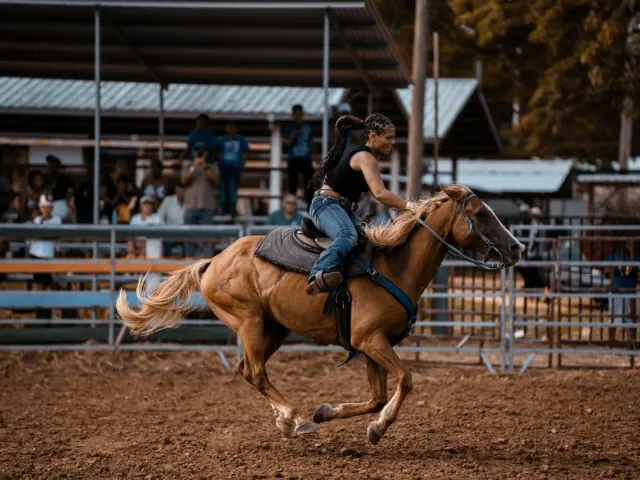
A flyer promises ranch rodeo events at the county fairgrounds, and you wonder whether it is just another rodeo. It is not. Ranch rodeos turn everyday ranch work into team competition, and the entrants are working ranch hands.
If you are building a trip around western festivals, a ranch rodeo is one of the most hands-on stops. Most of the confusion comes from assuming it works like a pro rodeo. The sections below correct the usual assumptions.
Work turned into competition
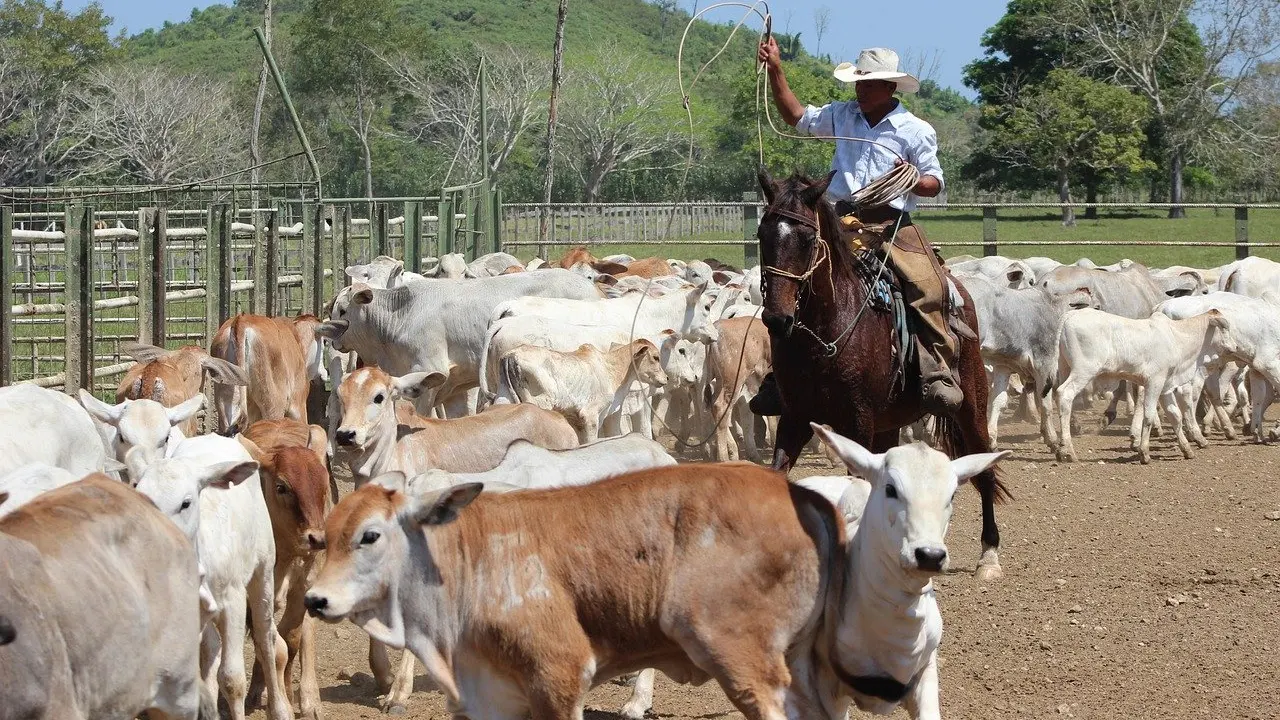
A ranch rodeo is a working-ranch competition. According to The Ranch at Rock Creek, working cowboys and cowgirls compete in events that reflect their daily ranch work. Contestants use the same horses, equipment and techniques they use when managing livestock on the job.
- It is not a costume show. The tasks are ones a crew performs at the pens: roping, sorting, doctoring and loading cattle.
- It is not built around individual glory. The format rewards a crew that works together, so a strong roper on a poorly coordinated team will not carry the result.
- It is not new to the West. Organized ranch rodeos first emerged in Arizona, New Mexico, Oklahoma and Texas, according to the same source.
That link to real work explains why spectators who know ranching often enjoy these events more than a polished arena show. The next question is how the format compares with the professional circuit.
Ranch rodeo vs pro rodeo
The two are different competitions, even though both are called rodeo. The table sets out the contrasts that the published material supports.
| Question | Ranch rodeo | Pro rodeo | Planning use |
|---|---|---|---|
| Who competes | Full-time ranch hands who gather annually | Professional rodeo competitors | Expect ranch crews, not touring professionals, at a ranch rodeo. |
| What the event emphasizes | Teamwork and practical ranch-hand skills | The traditional PRCA rodeo format | Watch the team’s coordination, not only one rider. |
| Sanctioning and entry | WRCA sanctioned events require a WRCA Ranch Team Card | PRCA is the sanctioning body used for comparison | Check the relevant association before planning to enter. |
The contestant and focus comparisons come from The Ranch at Rock Creek, and the card requirement comes from the WRCA sanctioned ranch rodeo schedule.
- Misunderstanding: ranch rodeo is a minor-league pro rodeo. It is a separate format with a different pool of entrants. The entry unit is a ranch team, not a rider who travels a circuit.
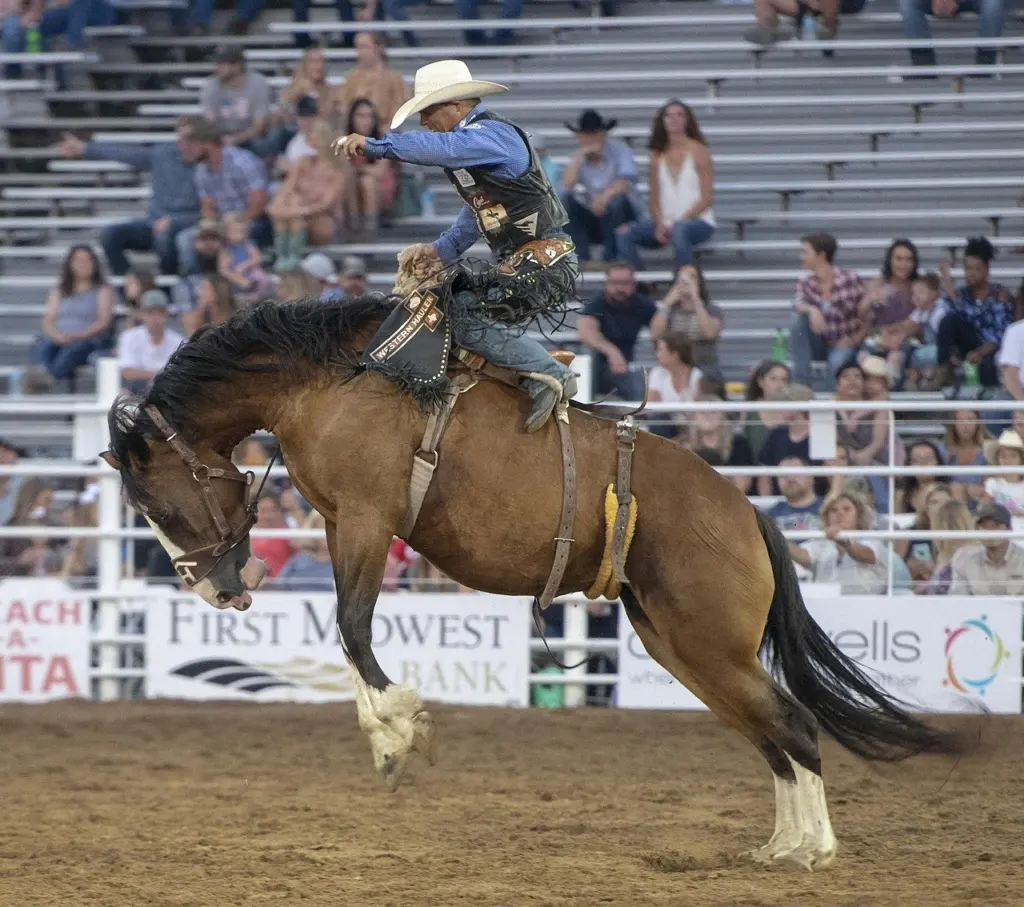
- Misunderstanding: the bucking events look the same. Women’s ranch bronc riding at the West Texas Ranch Rodeo uses a working ranch saddle, just like WRCA events, according to the event’s own site.
- Misunderstanding: the entry rules match. A ranch must hold a WRCA Ranch Team Card to enter any WRCA sanctioned ranch rodeo. That is a ranch-level requirement, not an individual membership.
Typical ranch rodeo events
Ranch rodeo events are team tasks drawn from cattle work. Exact line-ups vary by organizer, but the following appear in published descriptions.
Wild cow milking
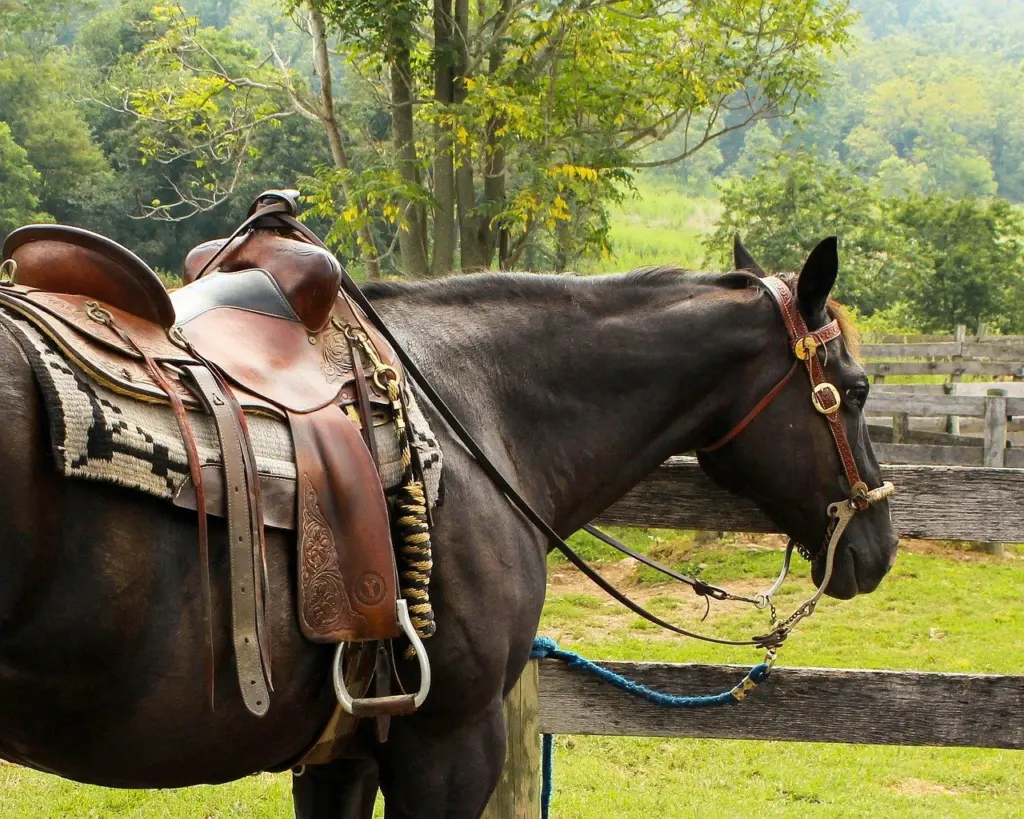
This is the crowd favorite. Teams must rope an uncooperative cow and hand-milk it into an empty bottle, then sprint the bottle to the finish as proof. It rewards a roper who can hold the cow and a partner who can work fast on foot. A wild cow race also appears at the Blackfoot Ranch Rodeo.

Team branding
Teams locate and rope specific numbered calves from a larger herd. They bring the calves to a branding area and mark them with chalk, against the clock. The chalk stands in for the iron, so the skill on show is finding, roping and handling the right calf.
Stray gathering
Four mounted cowboys per team work together to locate, rope and tie two wayward steers. This event shows how a crew divides up a job on horseback.
Trailer loading
Teams cut two specific cattle from the herd and load them into a livestock trailer, timed. The Blackfoot Ranch Rodeo advertises its trailer loading as an event for 4-man teams, which is a useful clue to the standard team size.
Sort and doctor
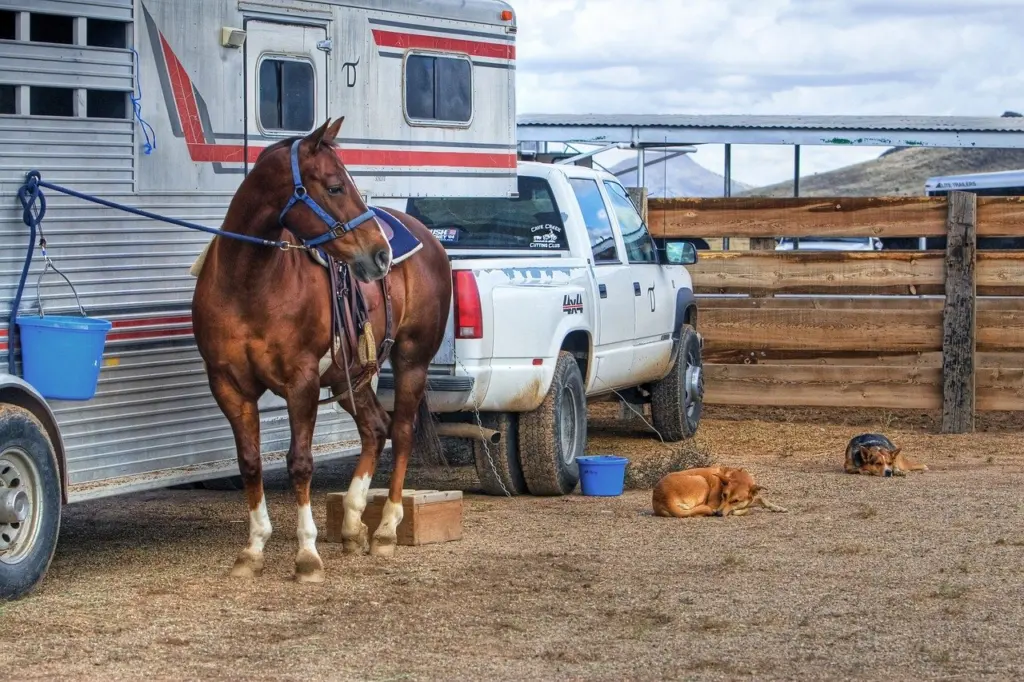
This timed event tests whether contestants can isolate, rope and restrain an ill animal without losing control. Calm handling matters more than speed alone, because losing control of the animal costs the team.
If you are watching for the first time, start with trailer loading and sort and doctor. They show the working method most clearly. Then see how those performances turn into a result.
How teams are scored
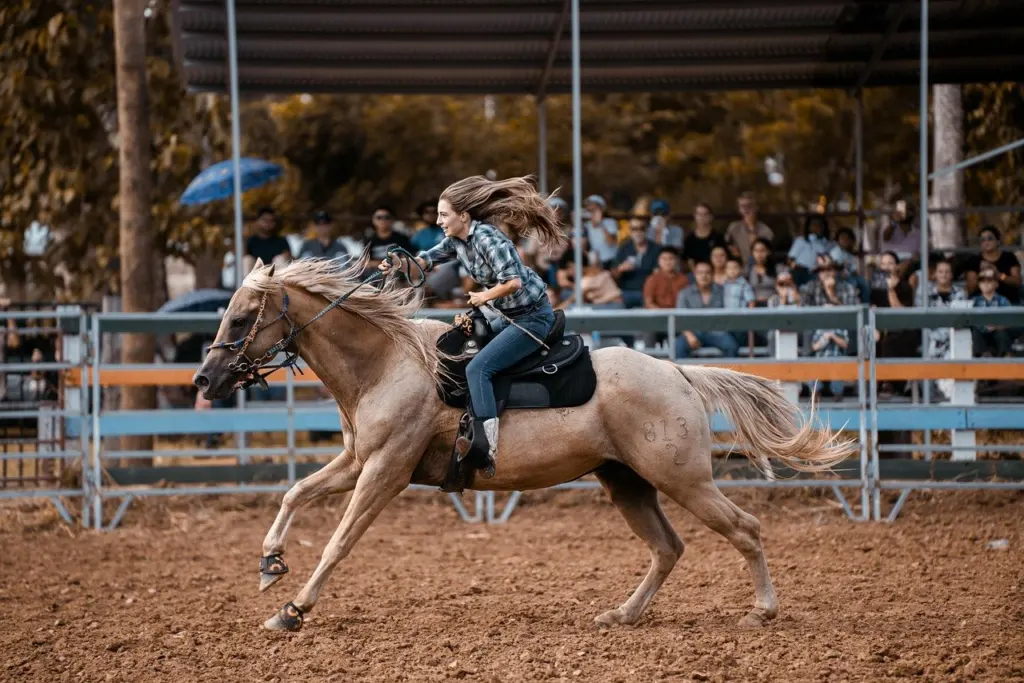
Teams are ranked on points, and several events are also timed. At the West Texas Ranch Rodeo, the top team finished with 72 points and was followed by teams on 71, 65.5 and 58.5 points. The results on the West Texas Ranch Rodeo site show how narrow the gap between the top teams can be.
- Points decide placings. The winning team there was the Hat Creek Ranch, with a cash prize of $19,400.
- Prize money is shared down the order. The total payout was $48,500.00 across four placed teams.
- Youth divisions pay too. The youth ranch rodeo prizes were $4,000, $3,000, $2,000 and $1,000 for first through fourth.
Individual event rules differ between organizers, so read the rule book for the association that sanctions the event you attend. The same applies to entering, which starts with the sanctioning body.
Sanctioning and entry
The WRCA sanctions many ranch rodeos, and its entry rule is simple to state. Ranches must obtain a WRCA Ranch Team Card to enter any WRCA sanctioned ranch rodeo, according to the WRCA. A team that wants to compete should secure the card before choosing events.
Spectators need none of this. Local and independent ranch rodeos, such as those at West Texas and Blackfoot, publish their own information, so check each organizer’s site for entry details.
Season, venues and finding events near you
Ranch rodeo season runs from spring into early fall. The WRCA 2025 sanctioned schedule ran from March 15 in Florence, Arizona, to October 4 in Coffeyville, Kansas, which shows how widely events are spread across states. Use that calendar as your first stop when looking for ranch rodeo events near you.
- Start with the sanctioning calendar. The WRCA schedule lists dates and towns, so you can sort by the state you can reach.
- Look at stand-alone events. The Blackfoot Ranch Rodeo is listed for June 25-27, 2026, and the West Texas Ranch Rodeo event dates are April 23 and 24, 2027, in the Amarillo, Texas area.
- Check resort and ranch programs. The Ranch at Rock Creek holds ranch rodeos on Tuesdays, June through August.
Dates move from year to year, so confirm them with the organizer before you travel.
Cowboy skills competitions at festivals
Ranch rodeos fit naturally into a wider festival trip. Blackfoot’s site invites visitors to enjoy vendors and food while they watch the day events, which makes the rodeo part of a full-day outing rather than a single show.
If your interests run wider, pair a ranch rodeo with western art shows for the visual side of ranch life, or with western film festivals for the storytelling side. A ranch rodeo supplies the working skills that both of those draw on.
Frequently asked questions
| Question | Answer |
|---|---|
| Where does the word rodeo come from? | It comes from the Spanish word rodear. It entered American English around 1834 as a term for cattle roundups, according to The Ranch at Rock Creek. |
| What time does a ranch rodeo day start? | It depends on the organizer. At the Blackfoot Ranch Rodeo, gates open at 8:00 am for the day events, and the main event starts at 6:00 p.m., according to the event site. |
| Are there youth or women’s competitions? | Some events include them. The West Texas Ranch Rodeo pays youth teams prizes and features women’s ranch bronc riding on a working ranch saddle, per its site. |
| Can any team enter a sanctioned event? | A ranch needs a WRCA Ranch Team Card to enter any WRCA sanctioned ranch rodeo, per the WRCA. |
| Is a team normally just one rider? | No. Published events use teams, such as four mounted cowboys in stray gathering and 4-man teams in trailer loading. |